WIN THIS BIKE

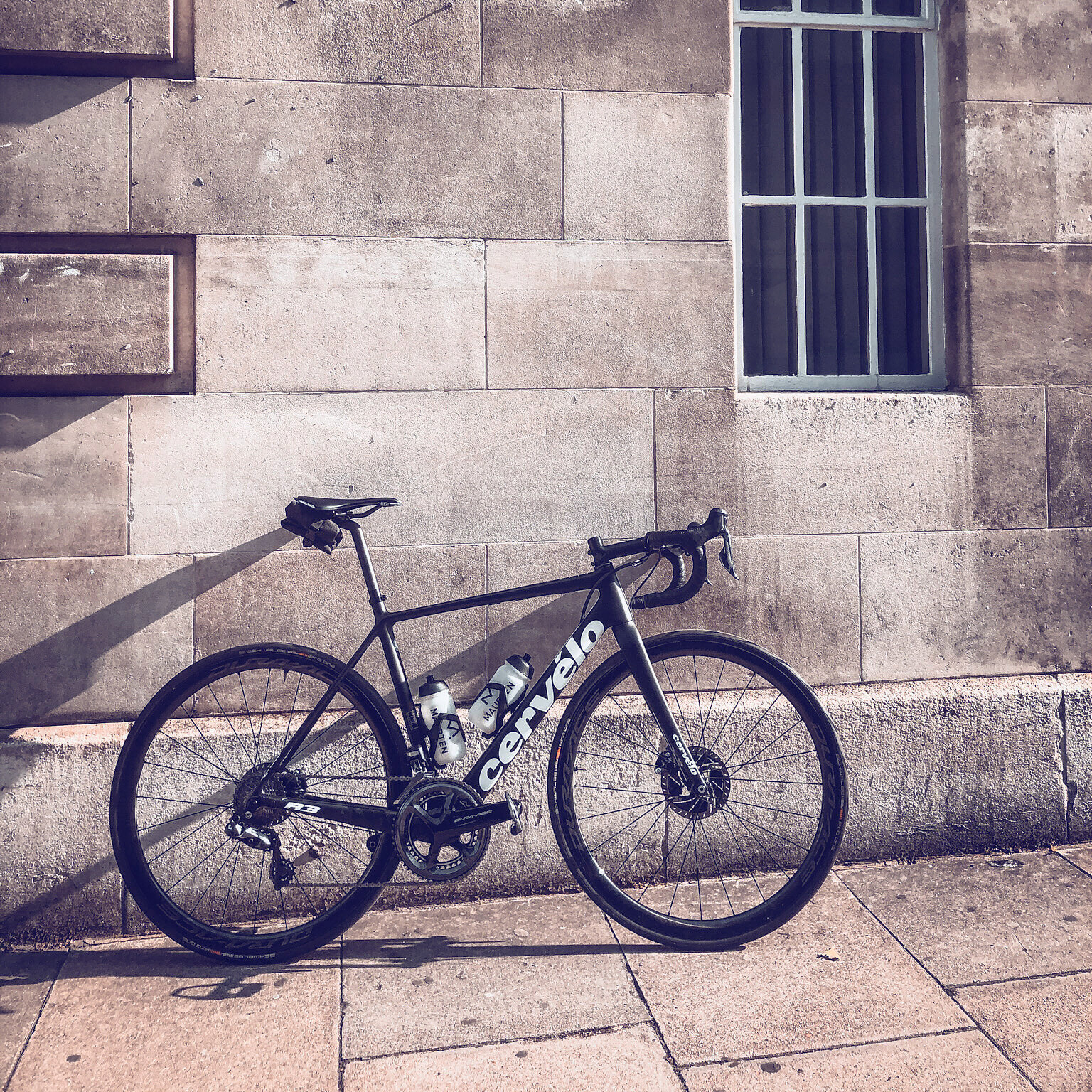
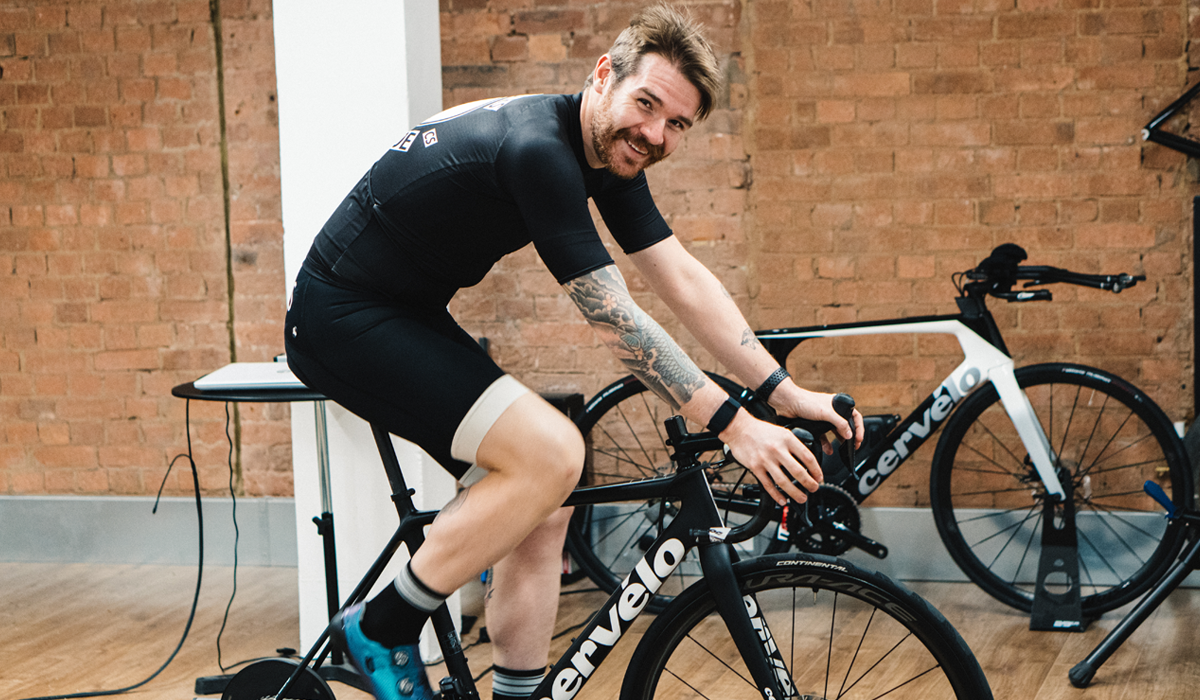
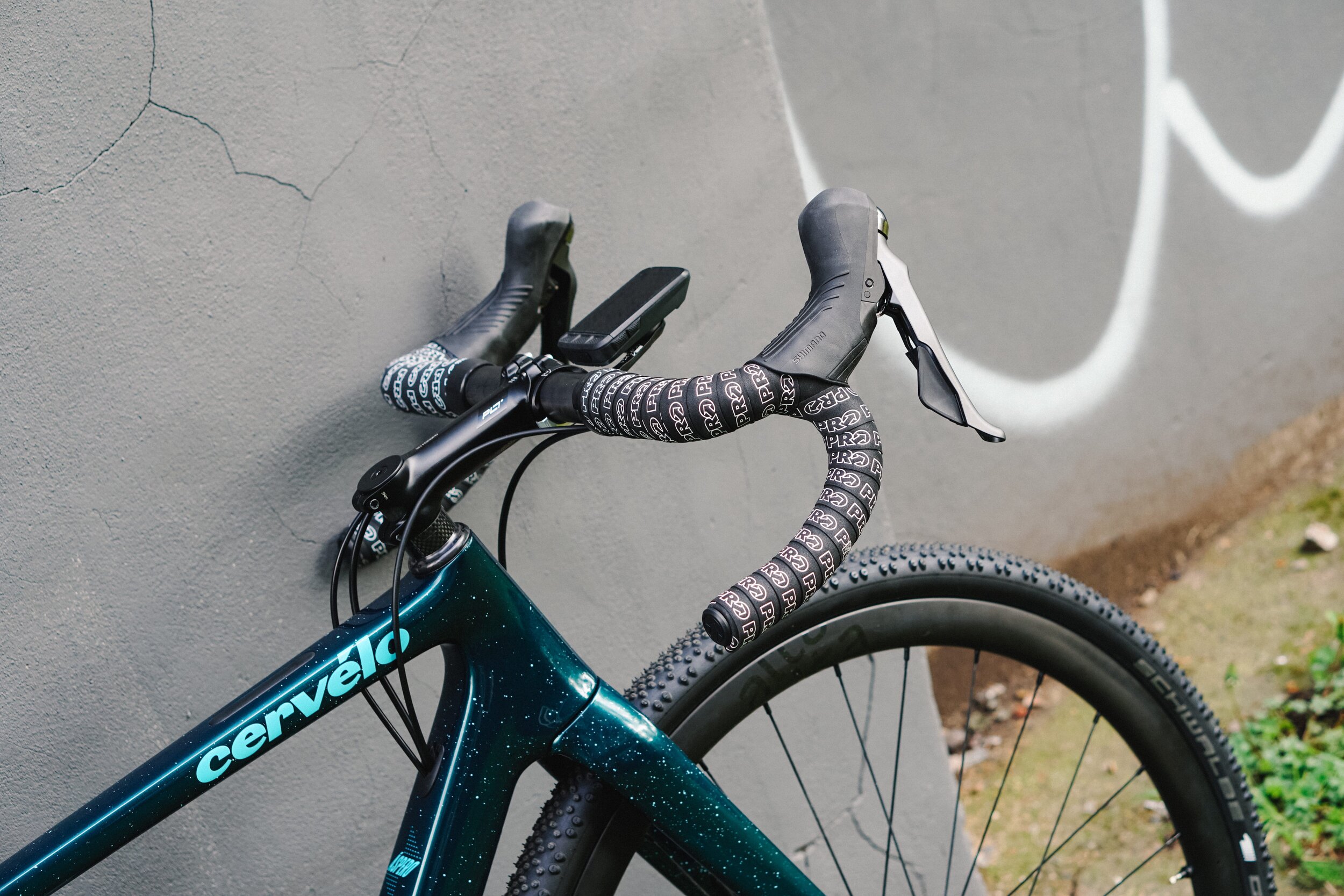
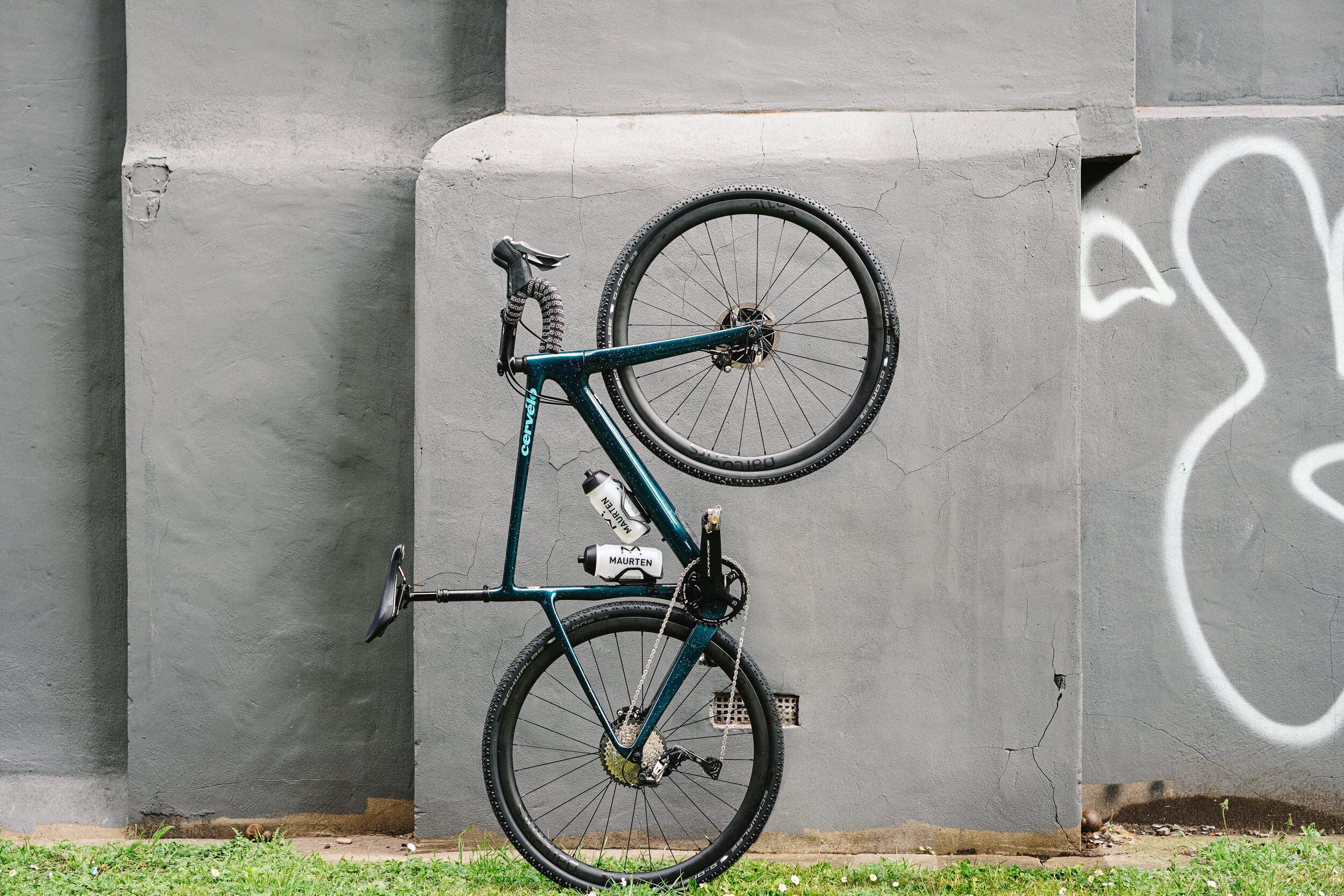
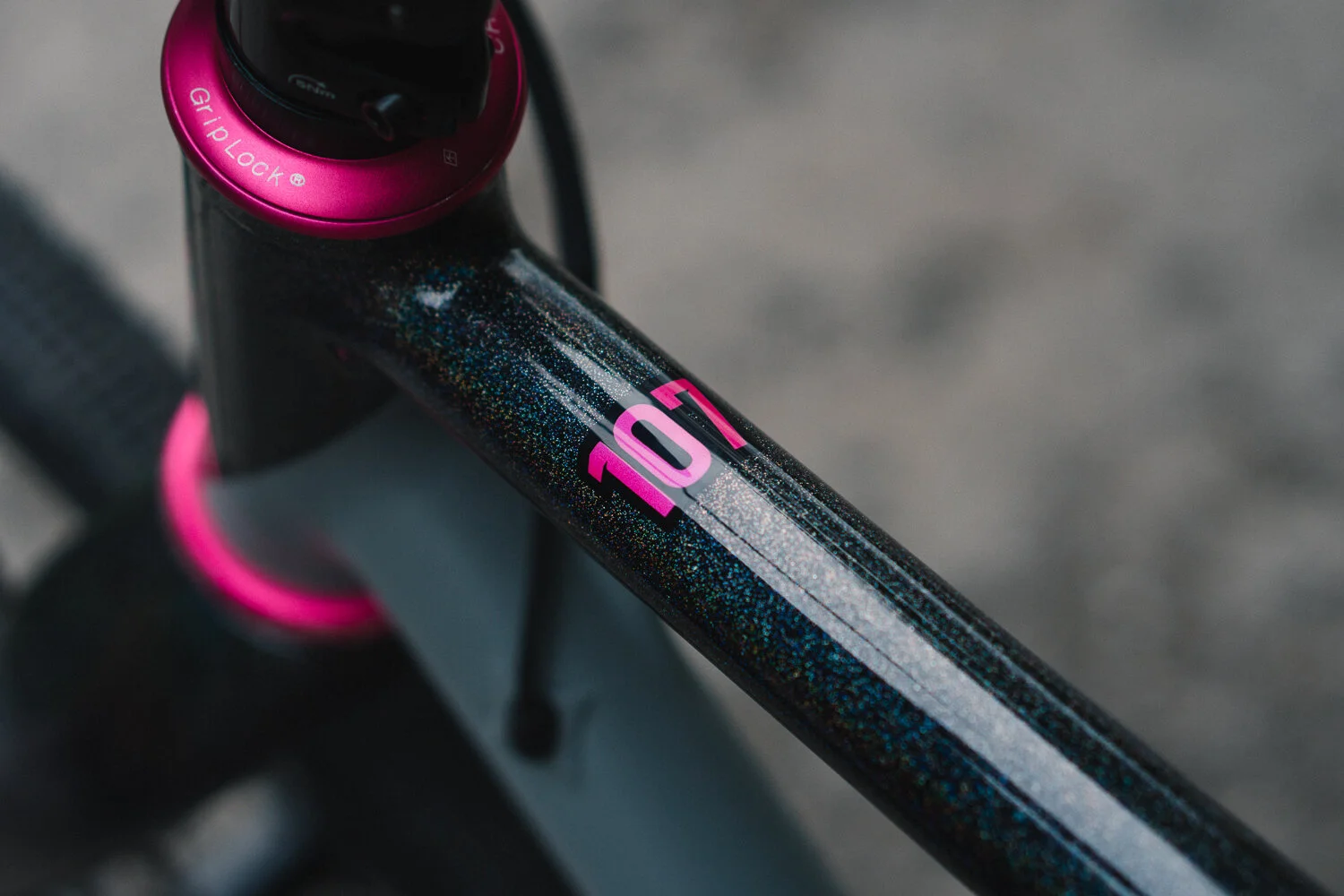
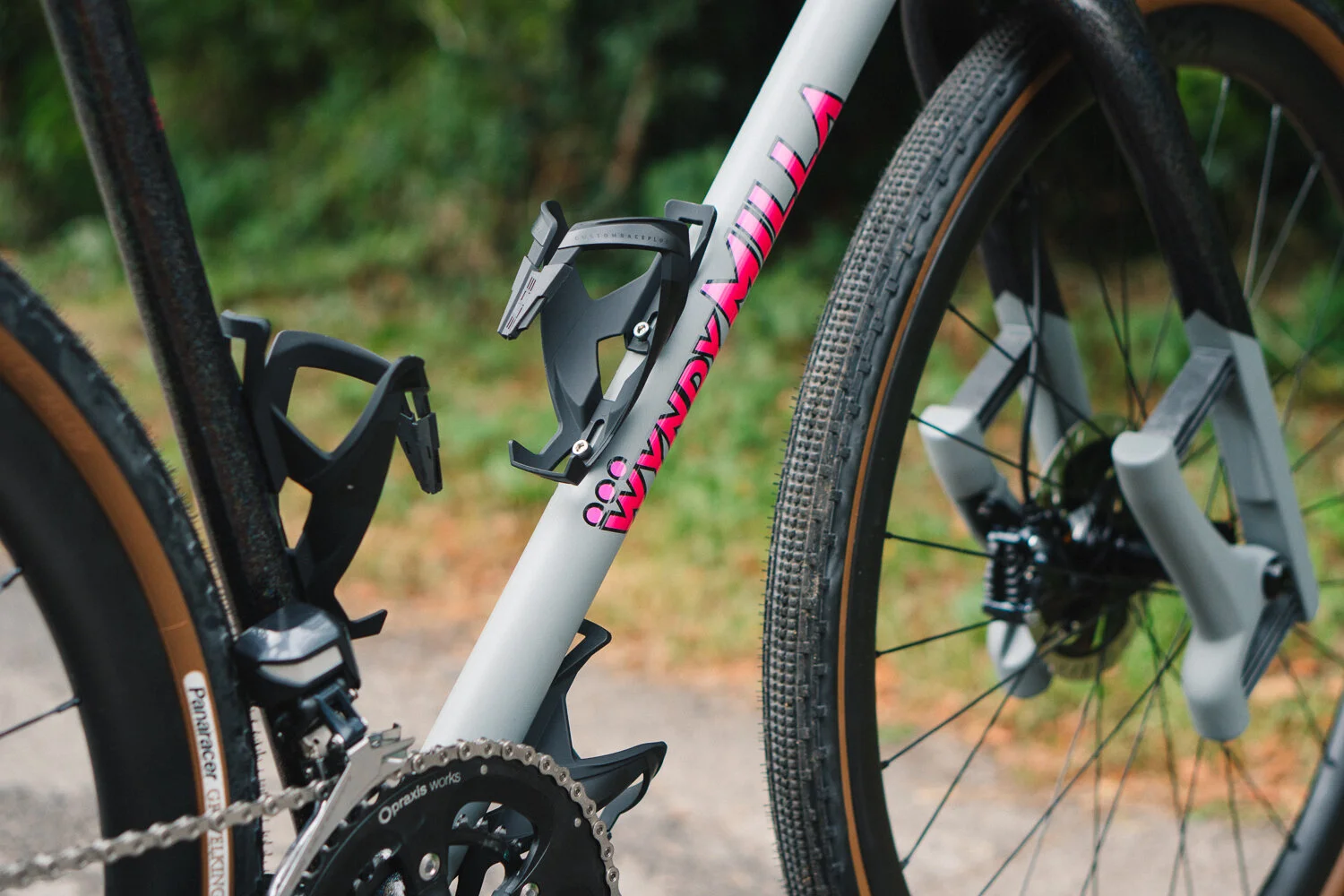
The custom painted Cervélo R3 (size 54) frame has been lovingly painted by Chris Hall, of Zero Lemon, with some friends and prepared and finished by Gun Control Custom Paint to provide a clean and professional finish to the bike.
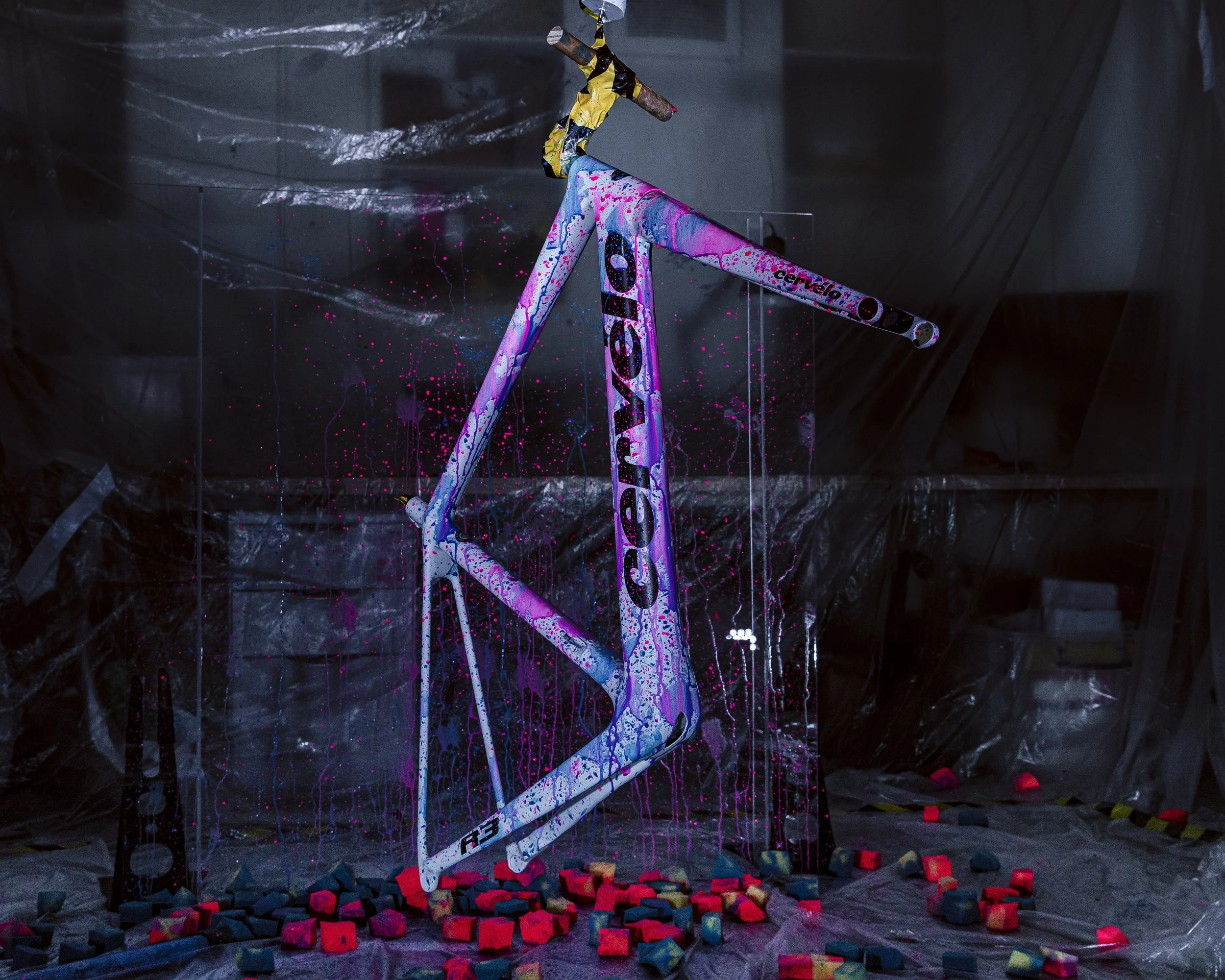


The Cervélo R3 (size 54) has been built up with the Shimano Ultegra Di2 groupset which Chris actually used for 107TDF in 2020 and comes equipped with a set of Parcours carbon rims with Schwalbe One Pro tyres.  

How to Enter?

It's actually very simple. A £10 donation on one of the above donation page gives you ONE entry into the raffle. This £10 donation goes direct to Movember or The Pace Centre, you can choose where you would like your donation to go. You can enter as many times as you like. There is no limit to the amount of entries you can put in.

When you add your donation, please make sure you add your contact details so that I can contact you if you win!

Entries close 30th January and the winner will be selected at random and will be announced on 31st January! I will share a video of the draw through my social media accounts so make sure you’re following! If you are the winner, please reach out to me (@Chrishallrides or @ZeroLemon) or I will drop you a message via the contact details provided. You will have ONE WEEK to claim your prize.

We will then either arrange collection or postage of the bike.

The raffle is open worldwide and the bike will be shipped to whoever the winner is. If they would like to collect the bike in person, I will also meet them at Gun Control Custom Paint where the bike is currently on display. 

A massive thank you to Cervélo for providing the bike and Parcours for providing the wheels. Also a massive thank you to Gun Control Custom Paint, who helped to prepare and finish the frame and funded a party for all of us and for all their advice and trusting in me to produce something pretty special. Movember and Pace do incredible work in helping transform and change people’s lives for the better and hopefully this bike will also help them to continue to do the incredible work they do but also help inspire someone to head out and take on their own challenges and adventures on it.

About The Pace Centre

The Pace Centre is a school dedicated to transforming the lives of children up to the age of 18 with motor disorders such as cerebral palsy. Completely self-funded, it's founded on the firm belief that every child has the ability to learn and make progress, whatever physical or sensory challenges they face. 

About Movember
Movember is the leading charity changing the face of men’s health on a global scale, focusing on mental health and suicide prevention, prostate cancer and testicular cancer

The charity raises funds to deliver innovative, breakthrough research and support programmes that enable men to live happier, healthier and longer lives. Committed to disrupting the status quo, millions have joined the movement, helping fund over 1,250 projects around the world.

 In addition to tackling key health issues faced by men, Movember is working to encourage men to stay healthy in all areas of their life, with a focus on men staying socially connected and becoming more open to discussing their health and significant moments in their lives. The charity’s vision is to have an everlasting impact on the face of men’s health.
Episode 48- The All New Cervélo Áspero 5 A Breakdown of Cervélo’s all new gravel bike

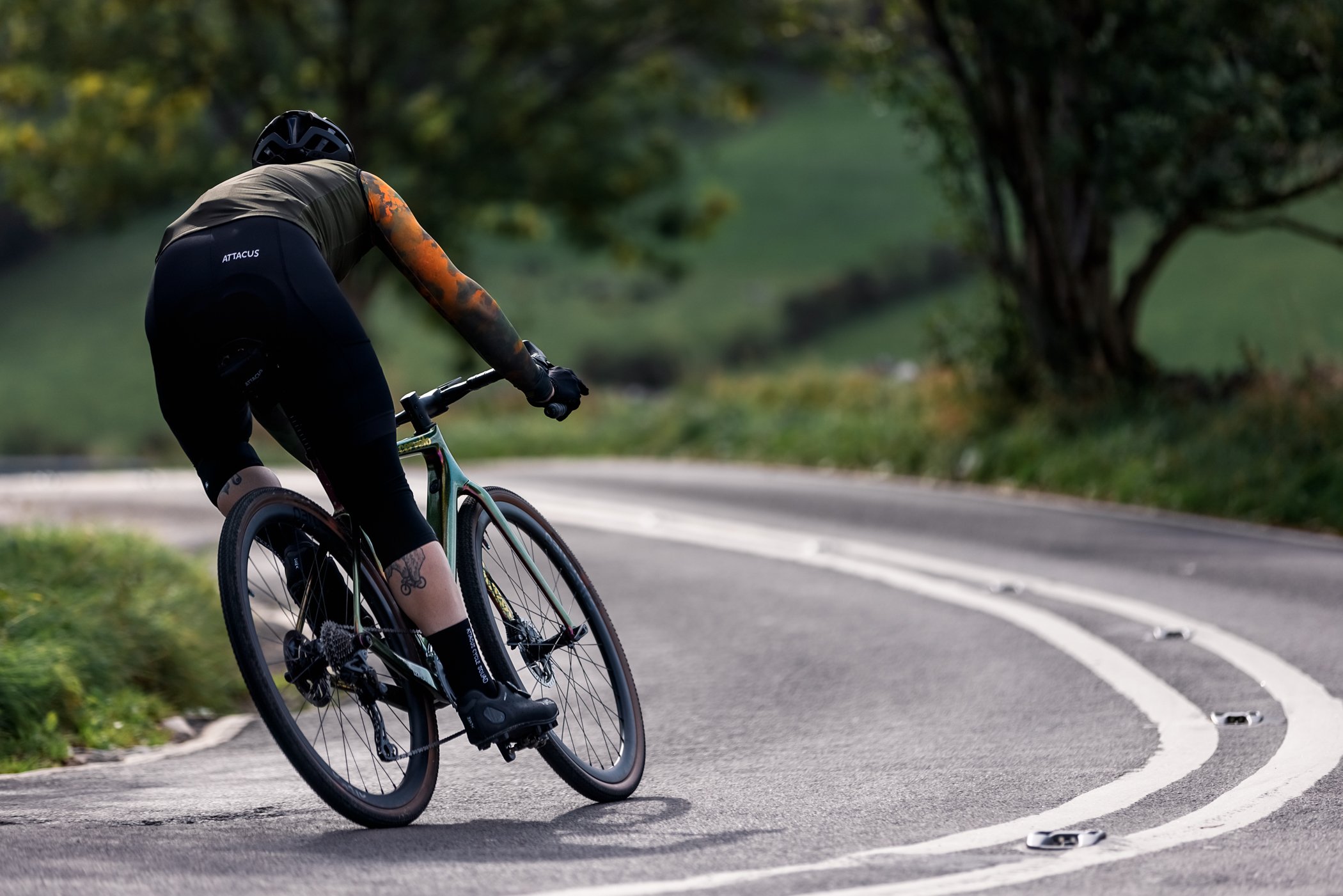
So this episode is a little different to some of the previous episodes I have recorded but I wanted to offer you an insight into Cervélo's newest bike launched this morning (20/04/21)! In episode 48 of the podcast I chat with good friend Phil Spearman, Global Product Marketing Manager at Cervélo to give a deep dive breakdown of the Áspero 5. Phil and myself chat regularly as we record an internal podcast as well for Cervélo and thought why not do something similar for you all to listen to about this exciting new bike! Flat-out. That’s how Áspero debuted under the characters of the Wednesday Night Rough Club two years ago, and that’s how it’s stayed. And since, at Cervélo, they know that flat out doesn’t stay flat out for long without a little help from science, they've come back from the drawing board with a new Áspero. A faster Áspero, a lighter Áspero, and—dare we say it—an even better looking Áspero.

The Zero Lemon Podcast: Episode 45- Tim Allen: Soigneur Bike Fitting: Bike Fitting Tips: How To Get More From Cycling.

Tim Allen, founder of Soigneur Bike Fitting has helped me out for several years now with getting as comfortable as possible on the bike. Tim has an incredible knowledge when it comes to making you comfortable and efficient when cycling and also it can't be denied that he is an absolute weapon when he races too and a true fan of the sport. In this episode we discuss some little tips and things that can help you on your bike with your position but also talk about equality in cycling, women's racing and what's next for Soigneur.

Make sure you're following Tim here

For more information on how to get booked up with Tim, head over to his website: https://www.soigneur.co.uk/

You can watch the podcast here:


You can listen to the podcast here:


The Zero Lemon Podcast- Gareth Winter of Sky

It’s been awesome seeing how the podcast has grown more and more in popularity! I’ve now started recording these as videos as well as audio. The latest podcast features Gareth Winter who wrote a lovely article recently about a ride we shared in Belgium. You can read that here. Gareth also interview Johan Museeuw, The Lion of Flanders whilst we were there. You can watch that here:

Our podcast that we recorded together can be watched here:

TURBO

A video focused on what I seem to be spending a lot of time doing at the moment, riding my bike indoors on the turbo. It's a bit like meditation to me. (I shot this and used it as a bit of an opportunity to learn a bit more about video editing. So no real purpose. to it but I hope you enjoy.)

The Ultimate Guide To Bike Locks: An article for Pedalsure

Having your bicycle stolen is a horrible experience, leaving you feeling powerless, frustrated and out of pocket. At Pedalsure, we are committed to preventing these outcomes – especially the latter if you have a policy – and that’s why bike locks are such a fundamental part of our cycle insurance packages. Let’s look at the different types of lock, what locks you may need, how to use them and some quick and easy tips.

Bike theft has been on a steady rise. We have also recently seen a worrying number of key workers’ bikes being stolen, so when it comes to bike theft, these criminals have no shame. With statistics like this you really cannot afford not to keep your bicycle secure.

Strap in, lock up and delve into Pedalsure’s ultimate guide to bike locks.

Time to get covered if the worst should happen? Get a free quote for cycling insurance from us today.

Types of locks

With the markets awash with different companies and designs, here are the three main types of bike lock. In most cases a combination of two or three of the following will give you the best chance to prevent your bike from being stolen.

D-locks

hiplok-d-lock.png

D-locks are arguably the most secure, and with a cable combination they are ideal for commuters. They are tough but can be tricky to get through some frames especially mountain bike designs. However, a particularly heavy-duty D-lock, although unwieldy, may deter a would-be thief. They are easy to stow in a bag or using a frame attachment, so they will add weight to your ride but it’s definitely worth it.

Cable locks

hiplok-pop-bike-lock.png

These locks come in the form of a lightweight, combination protected package, or a secondary cable often sold alongside a D-lock. Cables are super convenient when used with another anchoring lock as they can be looped all around the bike. It’s best not to use them in isolation though as they are less secure on their own.

Chain locks

hiplock.jpg

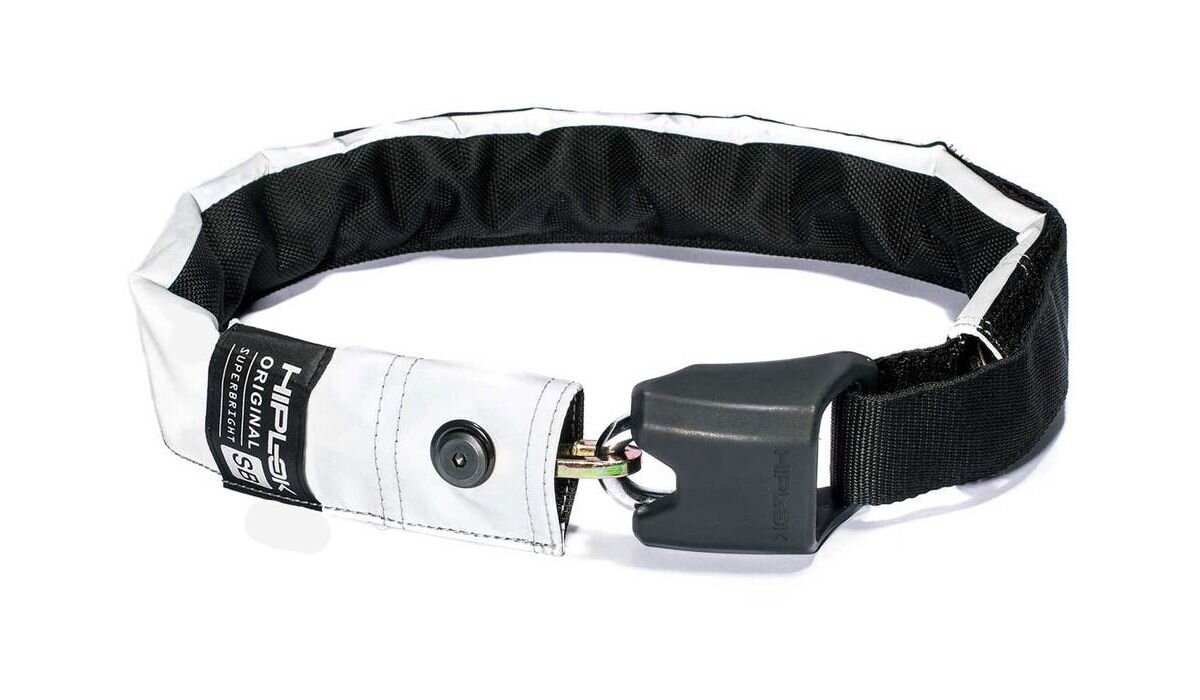
Chain locks are the heaviest of the bunch so probably not the one you want to take on your training ride if you have a scheduled coffee stop. They combine the elements of a cable and D-lock but are far heavier.

What Locks Do I Need?

Bike locks are probably the worst place you can afford to be thrifty when buying a new ride, and that’s why understanding your budget before investing is so important. It’s not just the bike you are purchasing, you also have to think about helmets, kit and locks. Try not to think about locks in terms of price but instead in terms of security.

The more precious the bike, the more secure the lock needs to be. Cycling Weekly suggest you should aim to spend 10 per cent of the value of your bike on a quality lock, but we know that ‘value’ doesn’t necessarily just mean how much you paid for your bike. We know that your personal attachment to and reliance on the bike can increase its value exponentially. Therefore, a bike that you got on the cheap but that you use every day – for commuting, for instance – may well require a top-level secure lock even though it may not be a top-level racing bike.

However, if we focus on the monetary value of things, we have a more specific scale thanks to our Approved Lock List. We use the Sold Secure silver and gold rating, so:

  • Silver – bicycles up to and including the value of £1,000

  • Gold – bicycles with value above £1,000

Have a lock already but not sure if it’s on any of our lists? Email your lock details to locks@pedalsure.com and we’ll be happy to help. For more information on your lock’s safety, go to our trusted security experts soldsecure.com.

Quick and easy tips for locking your bike

The-Right-Way-To-Lock-Your-Bike.jpg

We got in touch with Cambridgeshire Police, one of the areas of the United Kingdom with the highest incidences of cycle use and cycle theft, to ask them what people should do to protect their beloved steed.

"To reduce bike theft, we work with local businesses and partner agencies across the county to raise awareness and prevent cycle crime.

"Each year our officers find hundreds of stolen bikes. If you’re ever unfortunate enough to have your bike stolen, having it registered in your name will help us get it back to you if we, or anyone else, finds it."

They also shared some top tips for locking your bike:

  • Lock your bike whenever it is unattended.

  • Take any accessories with you, such as lights and pumps, etc.

  • Use Sold Secure, the trusted bike lock security website.

  • Use two different locks to secure your bike - this makes it a lot harder to steal as thieves may need different tools to unfasten each lock.

  • If possible, lock your bike to cycle racks in busy, well-lit areas.

  • Look for CCTV when picking a good spot.

  • Lock both wheels and the frame to a solid object and try to fill the lock with as much of the bike as possible for ultimate security.

  • Remember locks can be picked, so facing the lock to the ground makes it harder for the thief to release your bike.

Locking your bikes up on the street


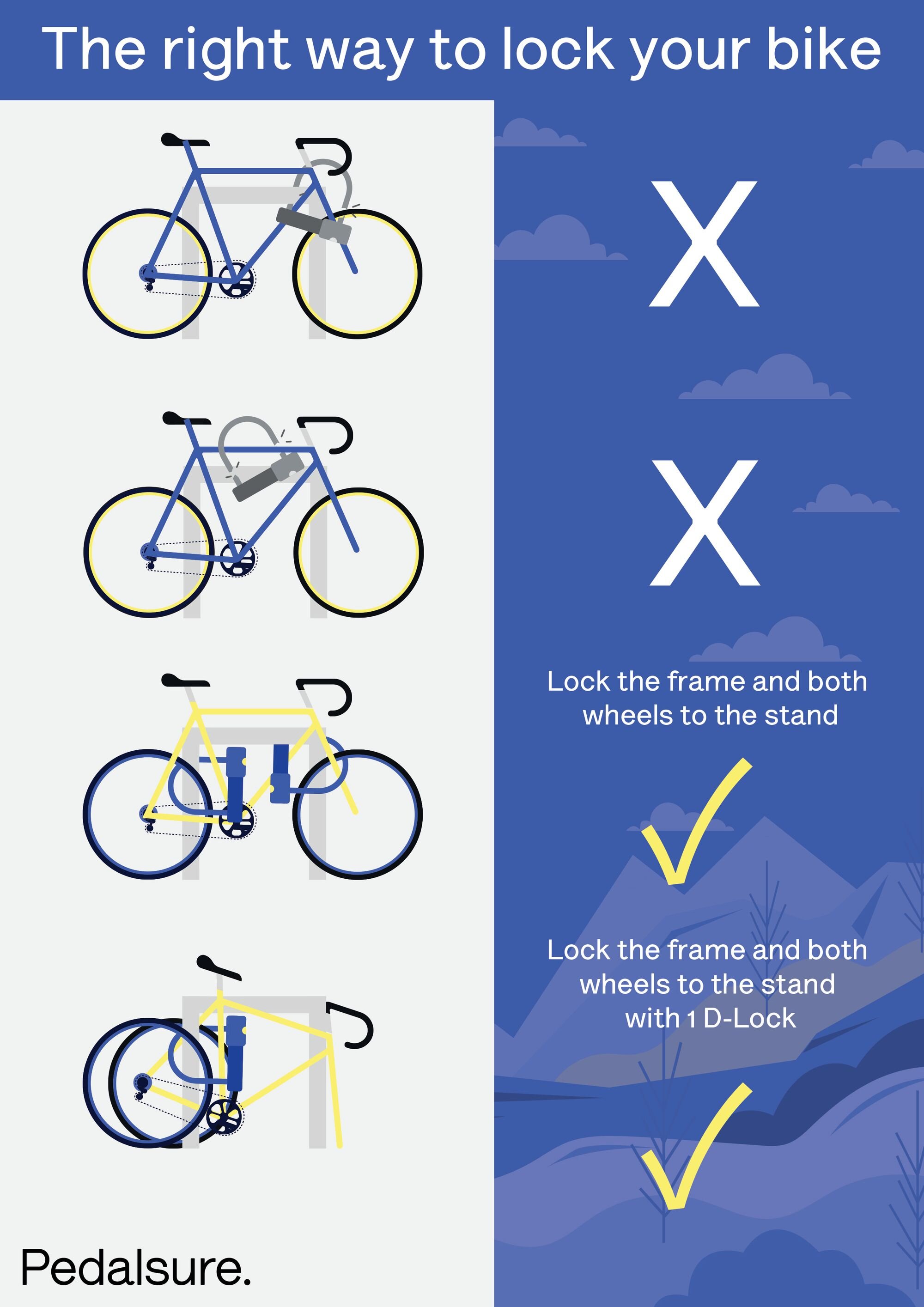
When it comes to locking your bike in the street there are dos, double-dos and don’ts in terms of the chosen method. So, whether you’re pausing during a training session, locking up outside the coffee shop before work or on a grocery run, keep these pointers in mind.

Don't

  • Lock your bike to a movable object.

  • Lock just the back of the rear wheel, low down to an immovable object.*

  • Lock to a chain link fence.

*Thieves may use the ground as leverage for a cutting implement, so if your lock is on the ground it just makes it easier for them.

Do

Use a D-lock through the seat tube and rear wheel and then attach to an immovable object.

  • Use a D-lock through the seat stay and rear wheel and then attach to an immovable object.

  • Use a D-lock through the top tube and then attach to an immovable object.

Double-do

Use a D-lock through the seat tube and rear wheel and then attach to an immovable object, utilising a cable to wrap through both wheels and then link it back to the central D-lock.

  • Remove the quick release front wheel, place it next to the rear wheel and D-lock through both to an immovable object.

  • Use two D-locks, one through the seat tube, rear wheel and immovable object, and another through the down tube and front wheel.

Note that with Pedalsure insurance, your bike if insured cannot be left unattended in the street for more than 12 hours.

Locking your bikes up at work

bike-locked-at-work-Chris-Barballs-1.jpg

Many workplaces offer private spaces to store your bikes which is great, but it’s important to follow the guidelines as listed above because you never know who may have access to that shared space. Remember that with Pedalsure insurance, your bike is insured at your place of work for more than 24 hours at any one time.

Locking your bikes at home

98A7F4AE-E51B-43B8-82C4-71097CAA913C.jpg


Similarly, it’s best practice to be overly cautious at home too. Instead of putting your bike in an exterior storing unit and wiping your hands of it, create an immovable shed object of your own and lock the bike to it. If not, lock it to something that will make a racket if it is moved or that is larger than the door itself. Don’t leave your bike unattended in the garden for long periods of time, you never know who may be watching.


Incidentally, ever wondered if home insurance gives you and your bikes all the protection you need? We’ve got a short guide for that.

Locks and Pedalsure cycle insurance

Bike locks are an integral part of many of our cycle insurance policies and other companies may not cover the types of situation that we protect against. Our main stipulations are that your bike is secured to an immovable object and as previously mentioned the bike cannot be left in a place other than the insured location for more than 12 hours unless stated otherwise. For more details, consult the ‘Security Requirements’ section of our Policy Document.

There you have it, Pedalsure’s foolproof guide to bike locks. Bike locks are a huge part of our cycle insurance packages and it’s vital that you have the correct lock and all the best practices in mind when preparing to secure your bike.

Sometimes, there really is nothing you can do to protect against particularly aggressive thieves hell-bent on taking your bike – that’s where we come in. If you’re looking for competitive cycle insurance, you can get a quote from us in no time at all.


In Conversation With Chris Hall Interview for Pedalsure

Tell us a little bit about yourself

I have always cycled as a kid pretty much like everyone but I still would never really class myself as a proper cyclist. I stopped riding to play rugby. I was 120kg and ended up injuring myself pretty badly. Cycling then became the cheapest and easiest way for me to commute to and from university and then with work too. Slowly I started going further and for longer and I guess that’s where I am now at!

What would be one of your favourite cycling routes?

lake-district.png

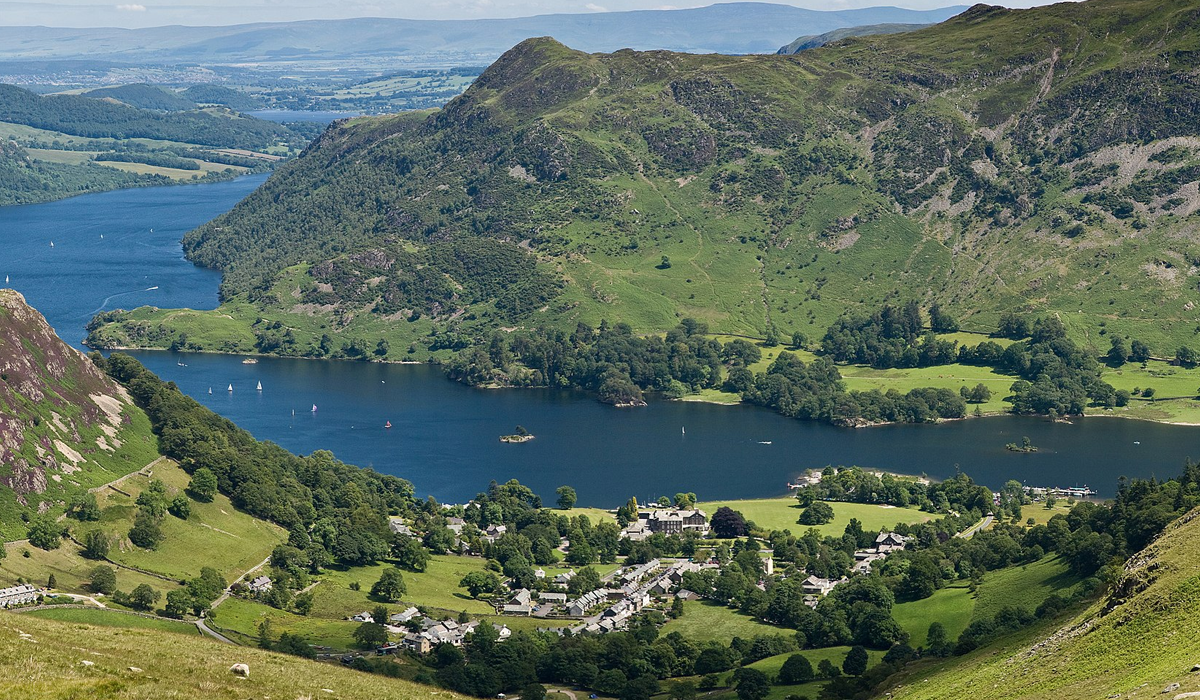
Still one of my favourite rides I have ever done was an off road cycle from my flat in London to The Lake District. I did it following old train lines and cycling over the Peak District National Park just before I headed into Manchester. I did it in like a day and a half. Took it pretty chilled with some good tunes and carried all my gear on the bike. It was one of the first times I had done something like that and absolutely loved every second.

We love coffee like pretty much every cyclist! Do you have any places or cafes you love to visit?

assos-coffee-cycling.png

One of my absolute favourite cafe’s here in London is G!RO in Esher. It is an absolute mission for me to cycle to as I live in North West London but I love visiting there when I do. Jordan who owns it is one of my favourite people and they make a cracking coffee using Workshop Coffee.

Where would be your dream place to cycle and why?

new-zealand-cycling.png

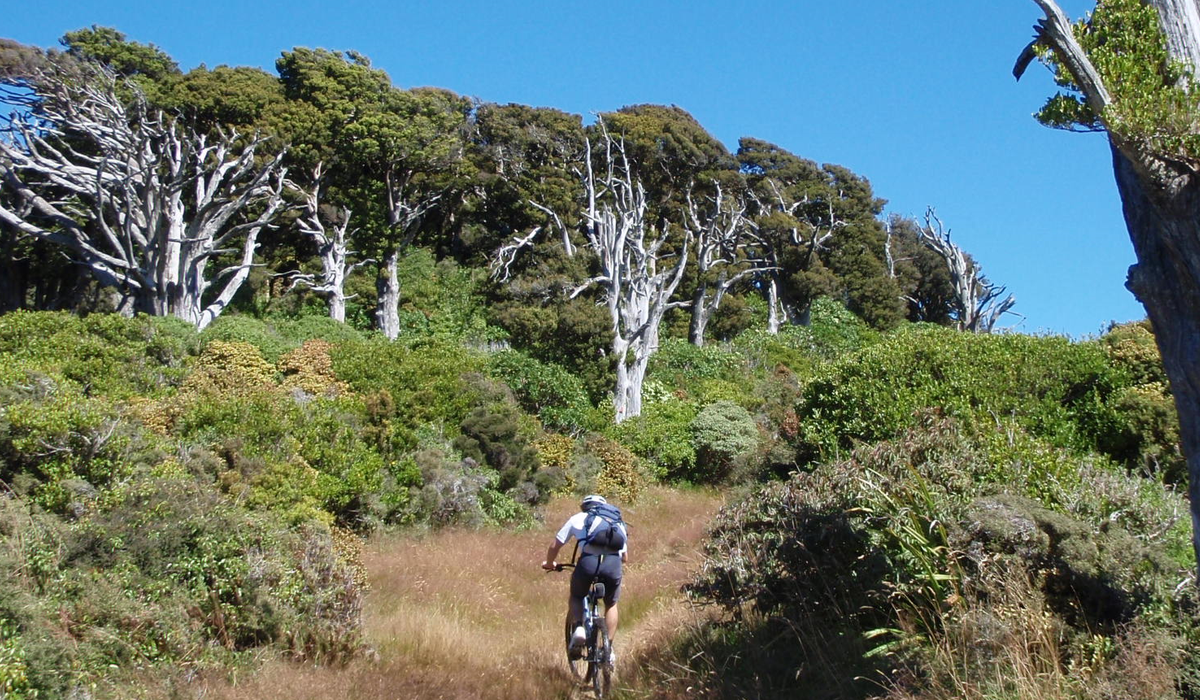
I would LOVE to cycle across New Zealand. I was lucky to cycle from Perth to Melbourne last year and it really kindled my interest in riding more in Australia and New Zealand. It’s so different to what we have here in the UK and Australia especially, you don’t realise just how big it is!

What is your favourite climb and why?

Transf-g-r--an.png

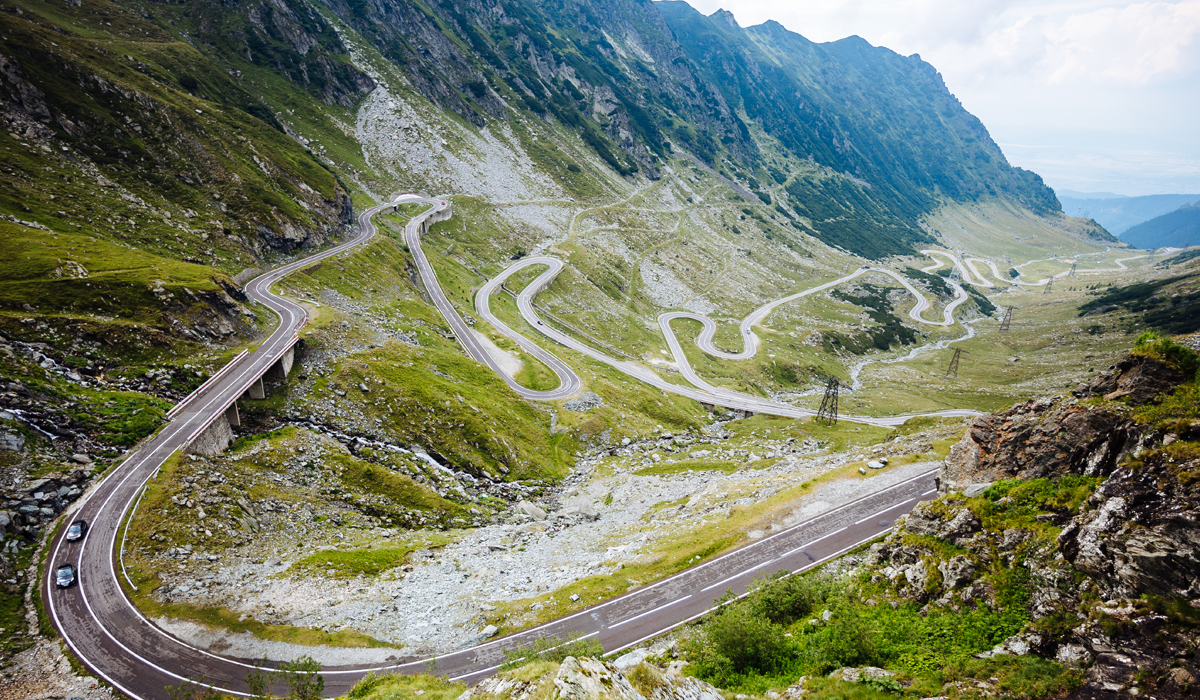
I think my favourite climb I have ever done would be the Transfăgărășan in Romania. I cycled across Romania a fair few years back now to fundraise for a children’s charity called The PACE Centre. A school that looks after kids with motor based disorders. It was the first time I had ever cycled a mountain pass. We stayed at a hotel on the top and honestly it blew my mind.

How do you find balancing a full time job with the training for the races and challenges you do? How do you separate it up?

work-balance.png

It’s definitely tough! I try to be incredibly structured with my time. Most days I am up very early, around 5-6am depending on what time I went to bed haha! I then train before work and work a normal 9-5 job, then sometimes train again in the evening. It’s all about structure and trying to keep on top of everything, but obviously it doesn’t ALWAYS go to plan.

What was your hardest ever challenge to date?

That’s a good one! There's a few to be honest. When I cycled 107km every day for 107 days, that was tough. Mainly because I did it through the winter with juggling work too. It meant I did so much cycling in the dark and in awful conditions. I ended up suffering quite badly with depression during that challenge because of the sheer scale of it. It’s 3 and a half months. You can’t mentally or physically prepare properly for that. Second would maybe be the Atlas Mountain Race this year. I went into it not physically prepared. I was getting over a herniated disc in my back and going to do an off road race over 1450km maybe wasn’t the wisest idea. I had a pretty bad crash and cracked the rear wheel and also it flared my back up again to the point I could hardly stand let alone walk or cycle. Unfortunately I had to accept defeat and pull out but I’ll be back I’m sure!

Could you recommend 2 Instagram accounts of cyclists who inspire you?

attacus-cycling.png


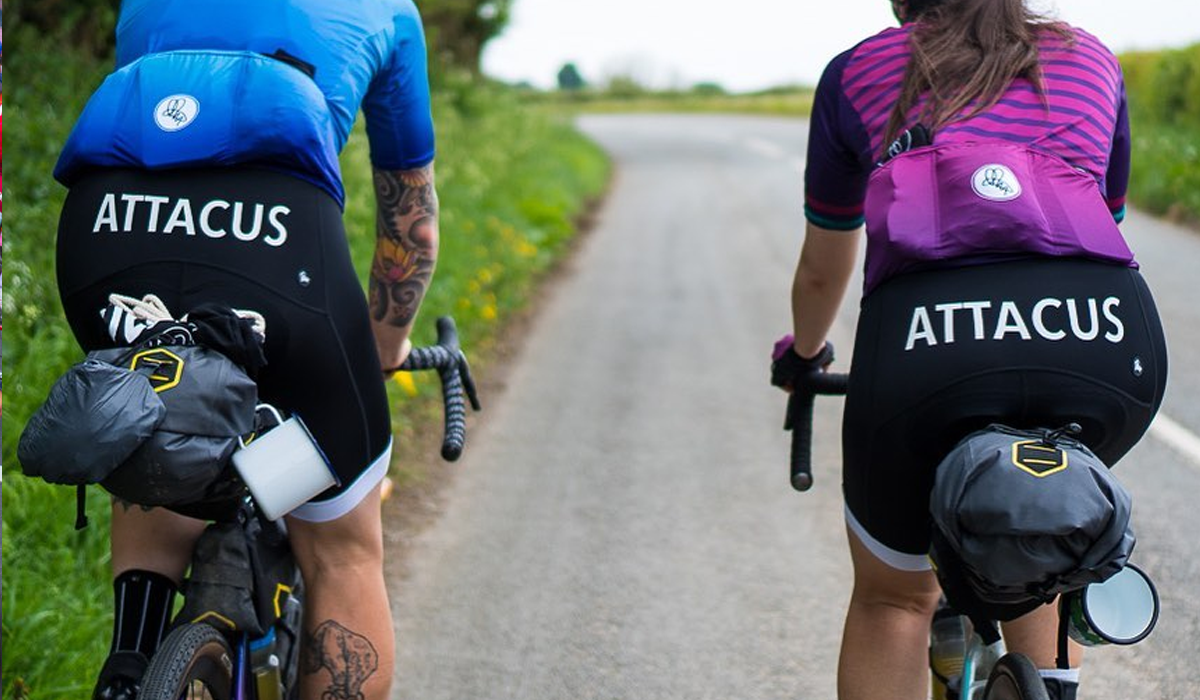
I absolutely love following my mate Will Girling who’s a nutritionist. I just find the things he shares incredibly interesting and insightful. Another one for me is my mates over at Attacus Cycling who make the kit I wear. Both Emily and Jimmi are firm friends of mine who have supported me tonnes and I admire so much what they do with setting up a business and making great kit!

We are all living in lockdown at the moment. How is COVID-19 affecting your area?

chris-hall-attacus.png

I live very centrally in London and unfortunately, I think a lot of people have been ignoring the Government advice. We are allowed to cycle outside now but I have been limiting this as much as I can and mainly keeping to structured sessions on Zwift that my coach, Ken Buckley plans for me. The streets are definitely quieter but the roads still have a lot of cars on them. What is great to see is that there’s definitely more people out there cycling!

How are you training and keeping fit given the current climate?

For me I keep it structured and do workout sessions on Zwift almost every day. Occasionally I do a little bit of riding outside at the moment but that’s usually more to run errands or go to the shops, for example. I’ve been using the time to also do a lot of core strength training.

Favourite Grand Tour and why?

giro-d-italia.png

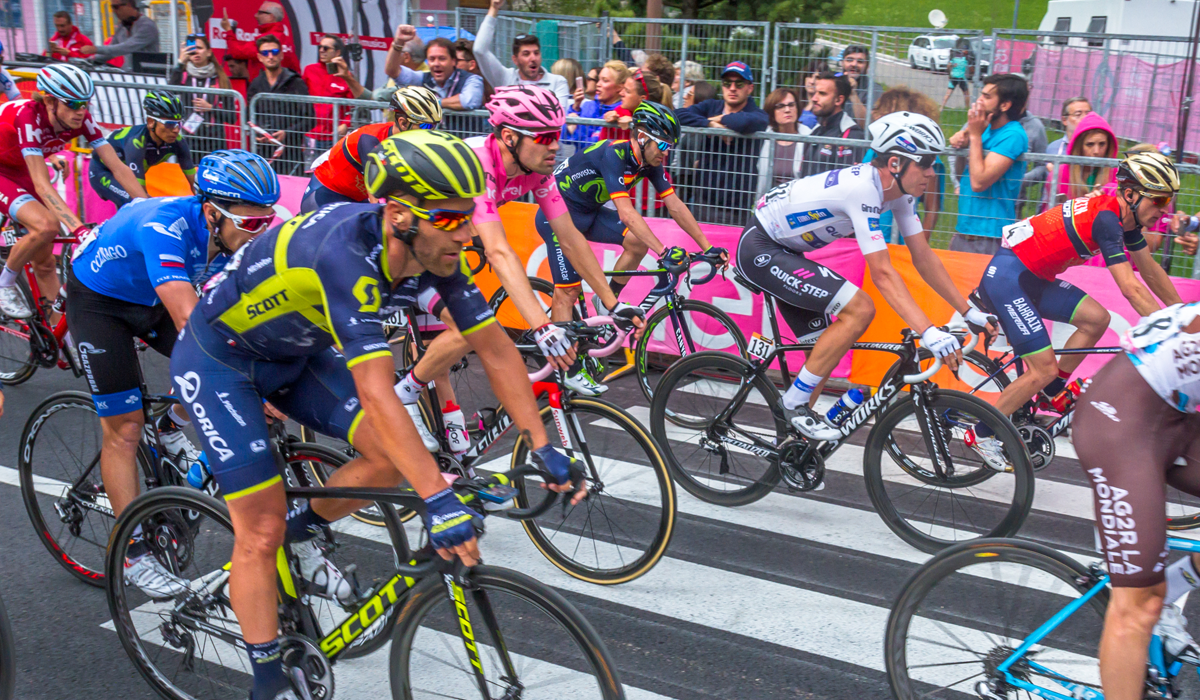
It has to be the Giro! I just think that there's so much hype around Le Tour which often makes it a little bit of a let down but then I’m usually Grand Toured out by La Vuelta! I do however watch all of them and the racing calendar religiously. I love following the sport.

Favourite one day race and why?

tour-of-flanders.png

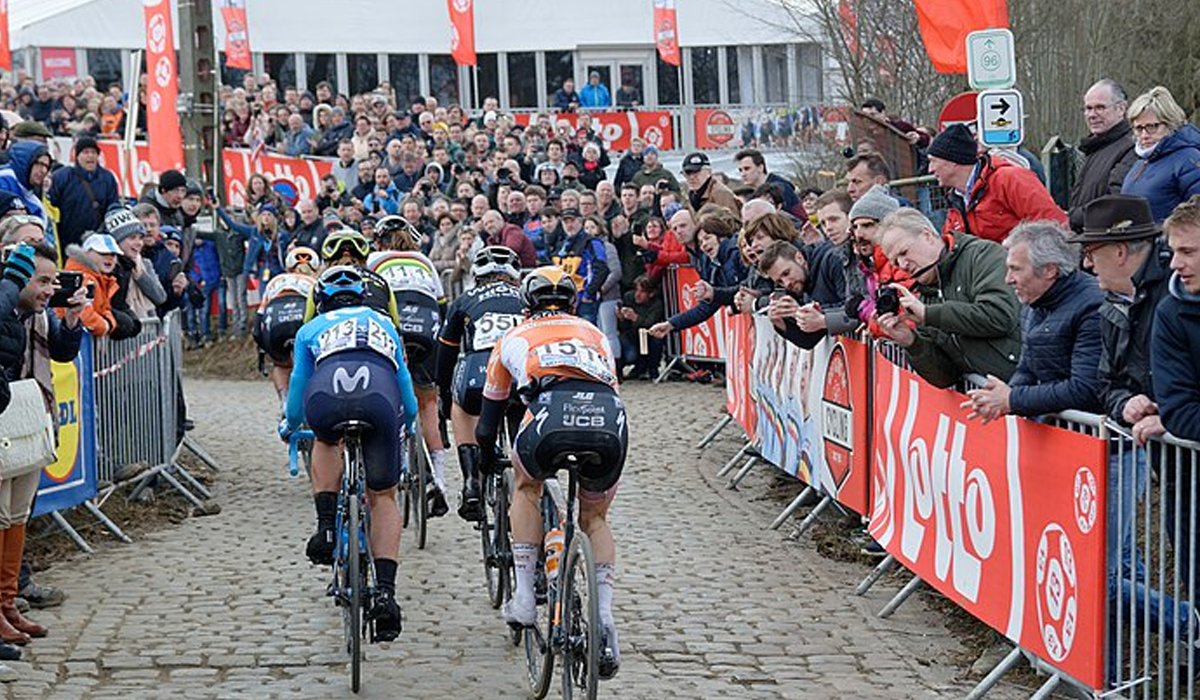
For me it HAS to be Ronde Van Vlaanderen, or Flanders as you may know it. I try and go out for it every year as the fans and atmosphere is just incredible! I am also excited that there’s a women’s Paris Roubaix scheduled for October! That will be incredible if it happens. It’s been something that people have wanted for so long now.

Do you have one tip for any new cyclists?

Chris-Hall-bikefit.png

I think cyclists always under fuel and drink. Make sure you’re eating the right stuff but make sure you are eating too. I didn’t realise quite how many carbs you need to fuel a good workout until I started talking with Will Girling.

On top of that GET A BIKE FIT! Honestly you won’t believe the difference, They aren’t always cheap but they are worth it. I work with Tim Allen (Not the actor) who runs Soigneur otherwise my biggest tip is to enjoy it. Have fun and enjoy the adventure!

6 Things You May Not Know About The Grand Tours

An article written for Pedalsure with infographics also produced by me. Enjoy!

The Grand Tours in cycling are the three major professional cycling stage races: the Giro d'Italia, the Tour de France and the Vuelta a España. Together they are known as the ‘Grand Tours’. All the Grand Tours follow the same format: a three-week bike race with daily stages covering a variety of terrain - flat, rolling and mountainous - and a couple of rest days thrown in for good measure.

The Grand Tours are the truest test for the best all-round riders in the pro peloton. The rider finishing with the fastest cumulative time across all the stages wins the overall title, also known as the ‘general classification,’ and wins the relevant race winner’s jersey - yellow for the Tour de France, pink for the Giro d’Italia and red for the Vuelta a España. As well as the overall title (the most prestigious) there are also classifications for the best team, the best young rider, the best climber and the rider who wins the most points across all the stages.

We’ve all got our own memories of the yellow jersey or maglia rosa but how well do you really know cycling’s biggest races? Here are 6 things you might now know about the Grand Tours.

Grand Tour wins vs nationality

GT-Wins-over-Nationality--copy.jpg

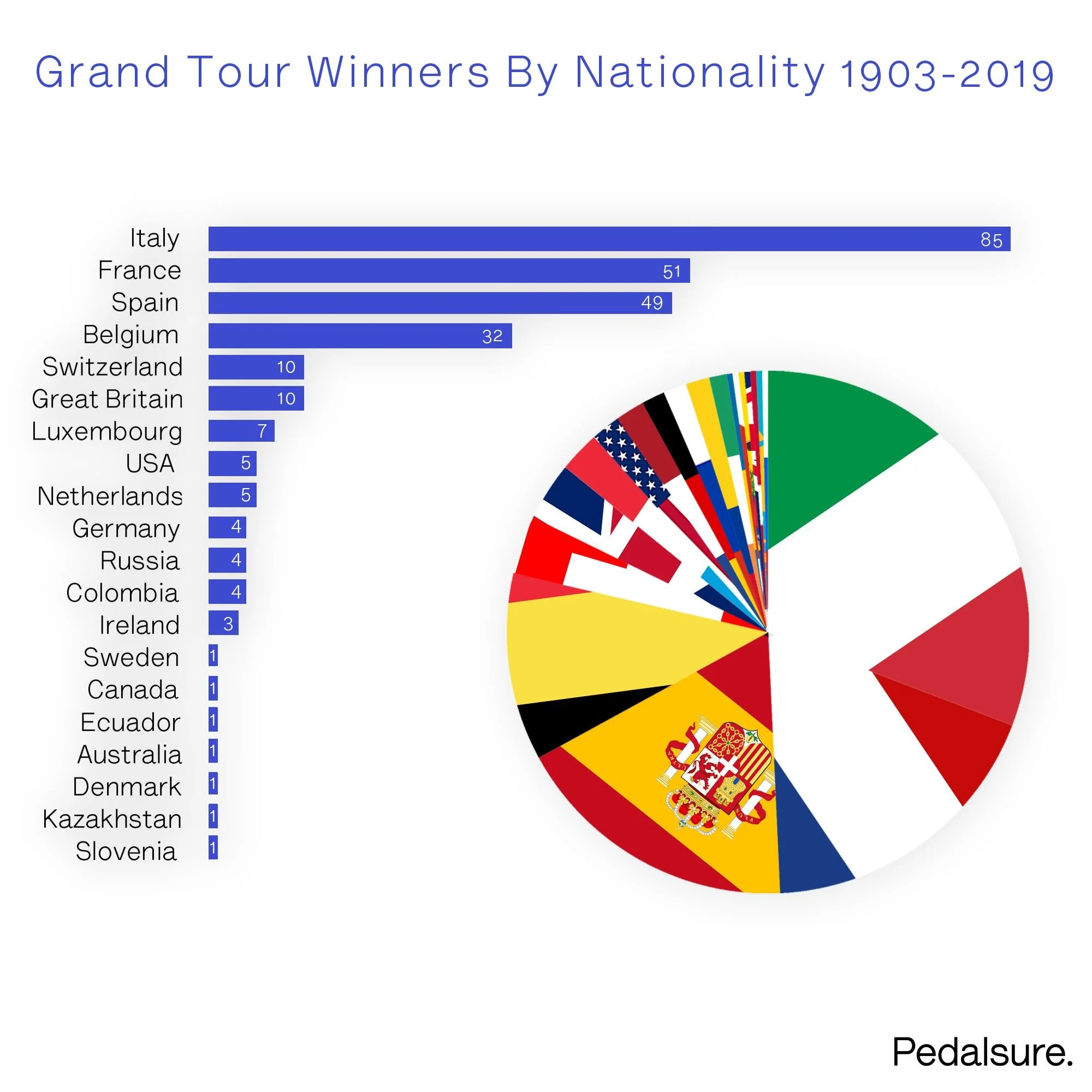
As you would expect, the three nations hosting the Grand Tours are pretty dominant when it comes to wins at the major races in the cycling calendar, with Italy topping the tally with 85 wins across all 3 Grand Tours, followed by France and Spain.

The last Italian to win a Grand Tour is the ‘Shark of Messina’, Vincenzo Nibali, who last won the Giro d'Italia in 2016. In recent years we have seen the total dominance of Team Sky (now Team INEOS) on the top step of the podium with British riders Bradley Wiggins, Chris Froome, and Geraint Thomas. But with Egan Bernal from Colombia winning the 2019 Tour de France, will it be all-change at the cycling super power?

How much do the pros get paid?

How-much-do-pro-cyclists-get-paid_-V2-01.jpg

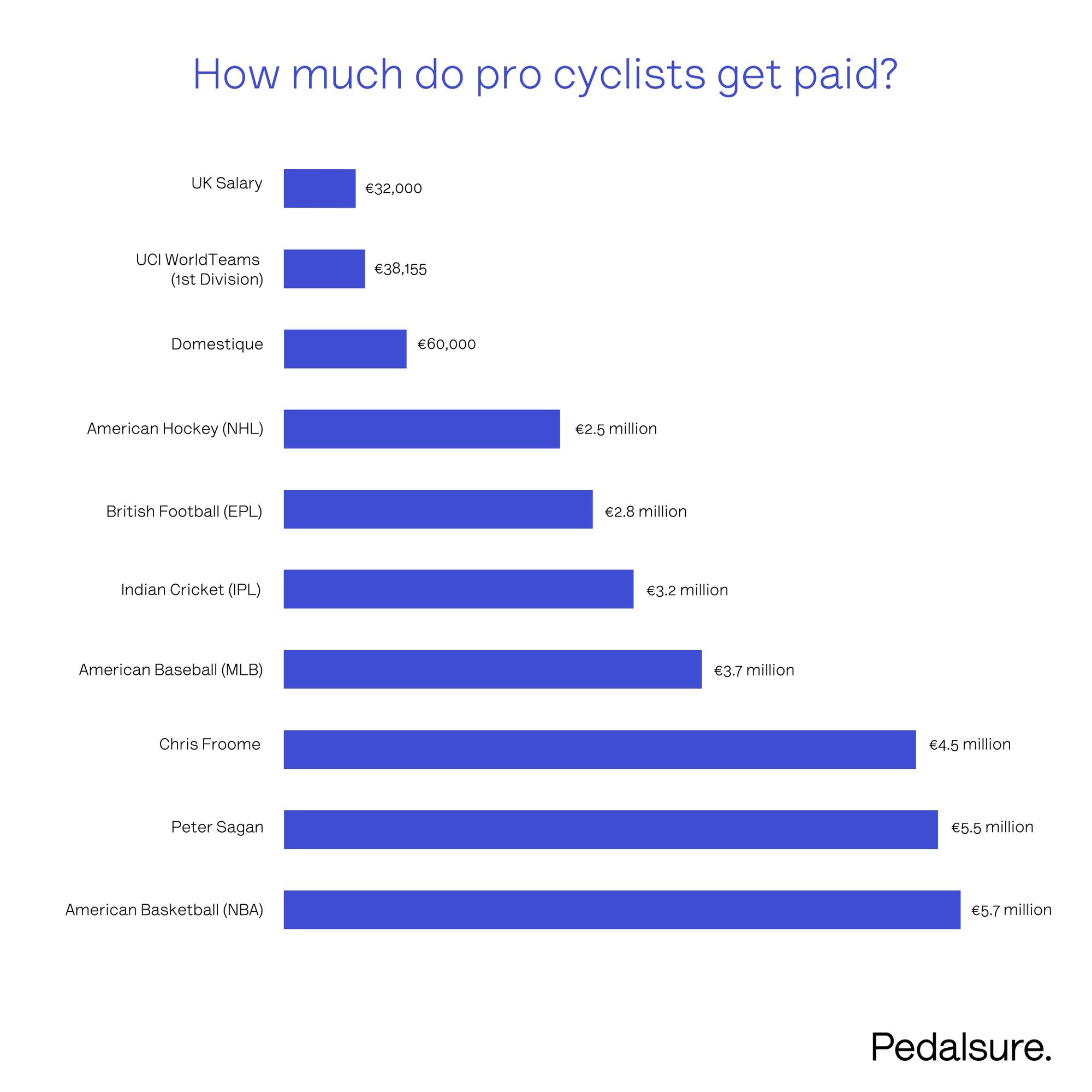
How much do Grand Tour riders get paid? We know pro cyclist salaries are on average significantly lower than other sports, but some superstar cyclists can earn as much as the very best paid footballers or basketball players. Peter Sagan is thought to earn around €5.5 million a year at Bora-Hansgrohe and seven-time Grand Tour winner Chris Froome pockets in the region of €4.5 million each year at Team Ineos. They are the exception rather than the rule, though. Most pro cyclists at World Tour level are on significantly less and while the very best domestiques (the likes of Wout Poels and Luke Rowe) may earn north of €1 million each year, most are likely to be on contracts worth €100,000-300,000 a year. The UCI sets a minimum annual salary requirement of €38,155 for men’s World Tour teams.

Grand Tour team budgets

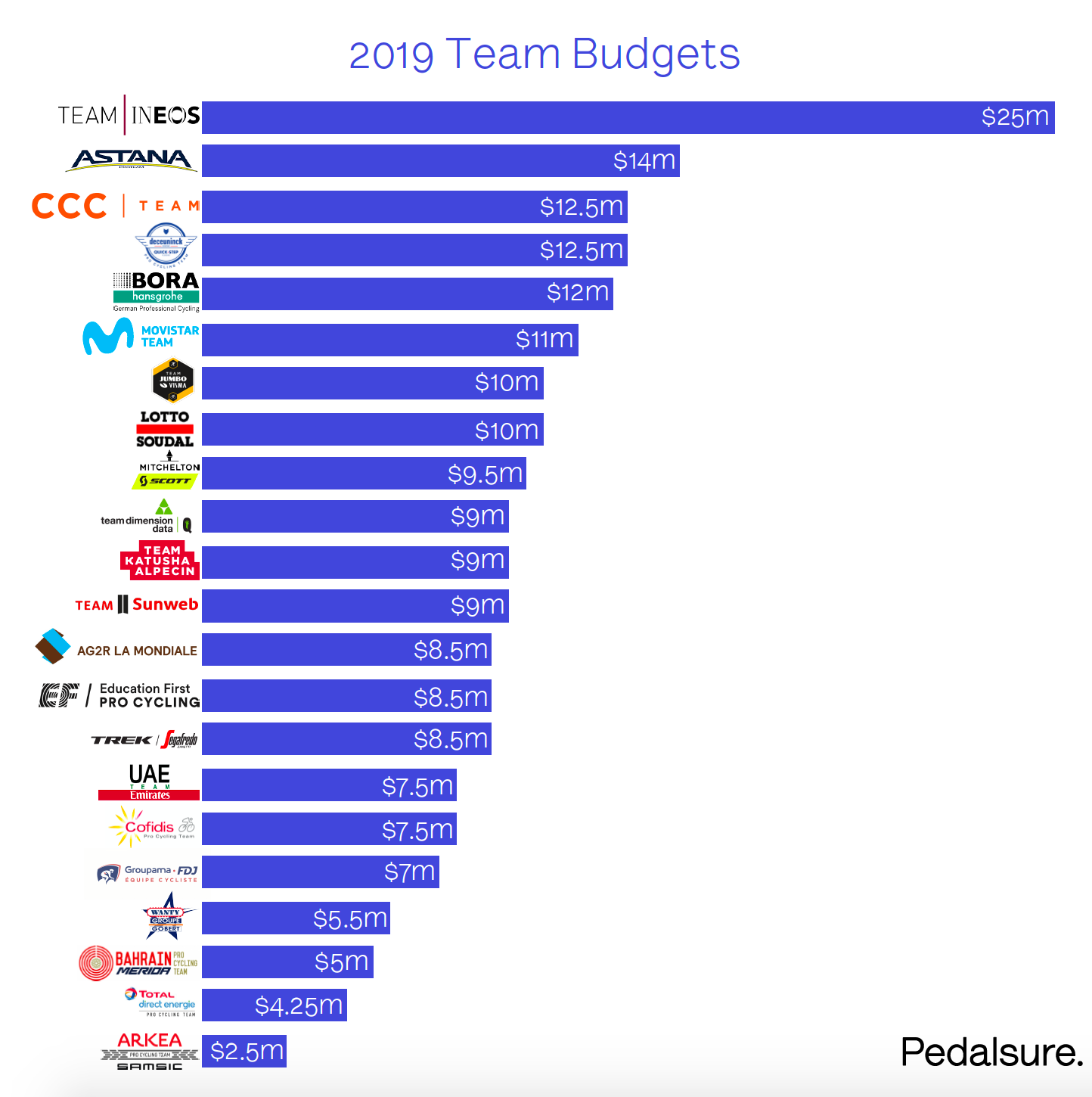
How big are the budgets of Grand Tour teams? INEOS remain the team with the deepest pockets, by quite some margin. Backed by British billionaire, Sir Jim Ratcliffe, the team’s budget is at least $10m more than their closest rivals and it’s difficult to argue that all that money hasn’t had a significant bearing on their results over the last eight years. The contrast is stark when you consider that even well-established teams like Trek-Segafredo and UAE Team Emirates are making do with budgets around 30% of the size of INEOS. Time for a fairer distribution of funds?

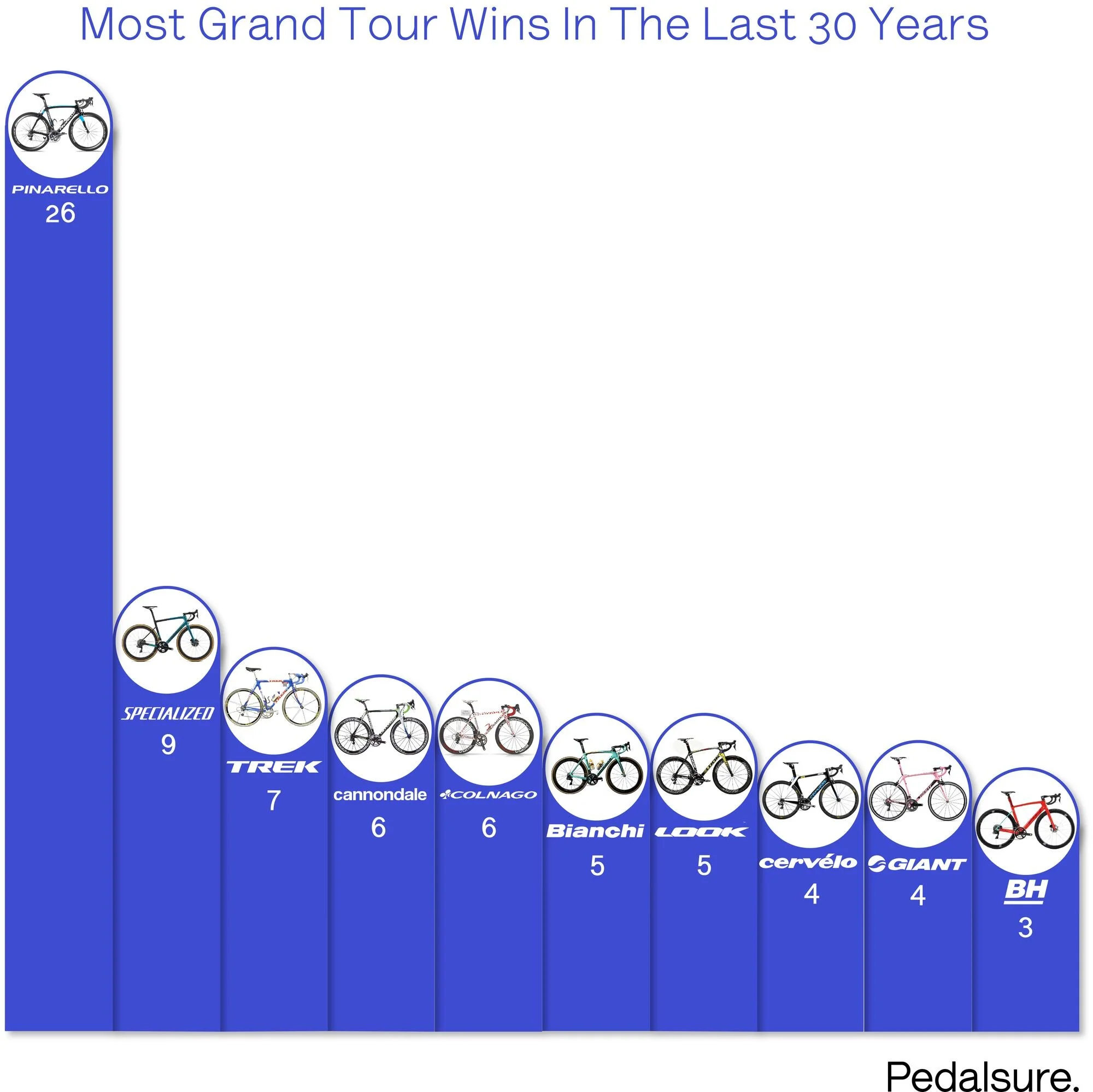
Which bike brand has been the most dominant at the Grand Tours?

When it comes to Grand Tour-winning bikes, there’s one brand that has reigned supreme over the last 30 years. 26 of the 75 Grand Tours over the last 30 years have been won by a cyclist riding a Pinarello bicycle, largely thanks to the dominance of the likes of Team Sky and Banesto in the 1990s. A trio of american brands follow, with Specialized, Trek and Cannondale all winning their fair share of Grand Tours. Spanish brand BH proudly has three Vuelta a España wins, helping them scrape into the top 10.

Bike-brand-GT-wins.jpg

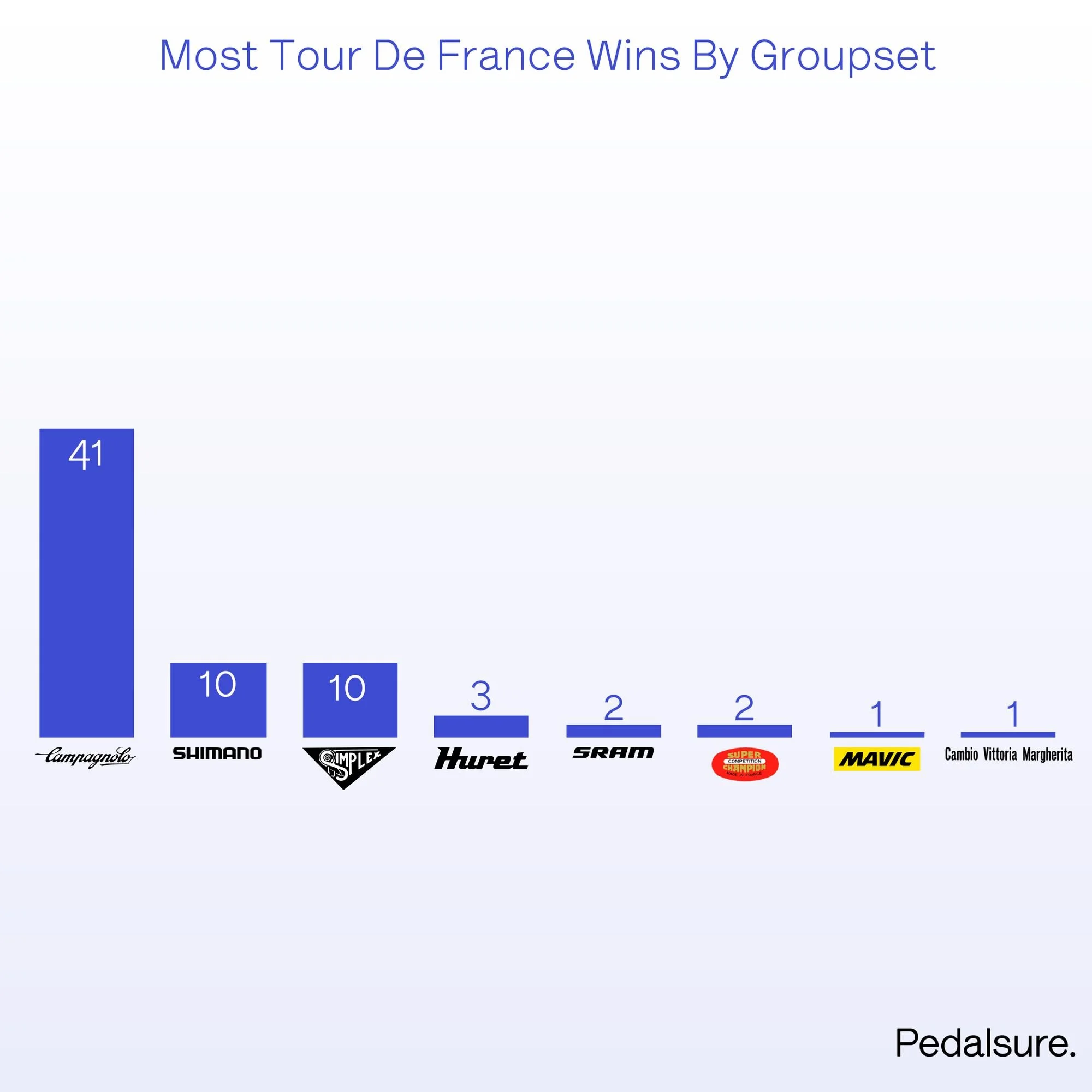
Which groupset has won the most Tour de France titles?

These days the ‘big three’ dominate when it comes to bicycle groupsets: Shimano, SRAM and Campagnolo. In fact, no current World Tour team uses a groupset from outside of these three manufacturers. Of the Men’s teams, 14 use Shimano groupsets, 3 use Campagnolo and 2 prefer SRAM.

Best-Groupsets-in-Grand-Tours.jpg

But which groupset has won the most Tours de France? There’s really only one winner here. Campagnolo has won a total of 41 Tour de France races in the history of the race. Some of this can be put down to Campagnolo starting out in 1933 while Shimano started producing groupsets in the 1980s. The last winner to win with Campagnolo was Vincenzo Nibali in 2014. The last SRAM winner, one of only two, was Andy Schleck in the 2010 Tour where he finished second behind Alberto Contador, but was retroactively awarded the general classification after the Spaniard was stripped of his title following a positive test for a banned substance. There’s also a few gems on that list. Who knew Mavic, famous for their wheels these days, used to make groupsets? And don’t forget Simplex, one of the pioneers of derailleurs and components. The now defunct French brand won 10 Grand Tours in total.

Tour de France average speeds

TDF-Average-Speeds-01.jpg

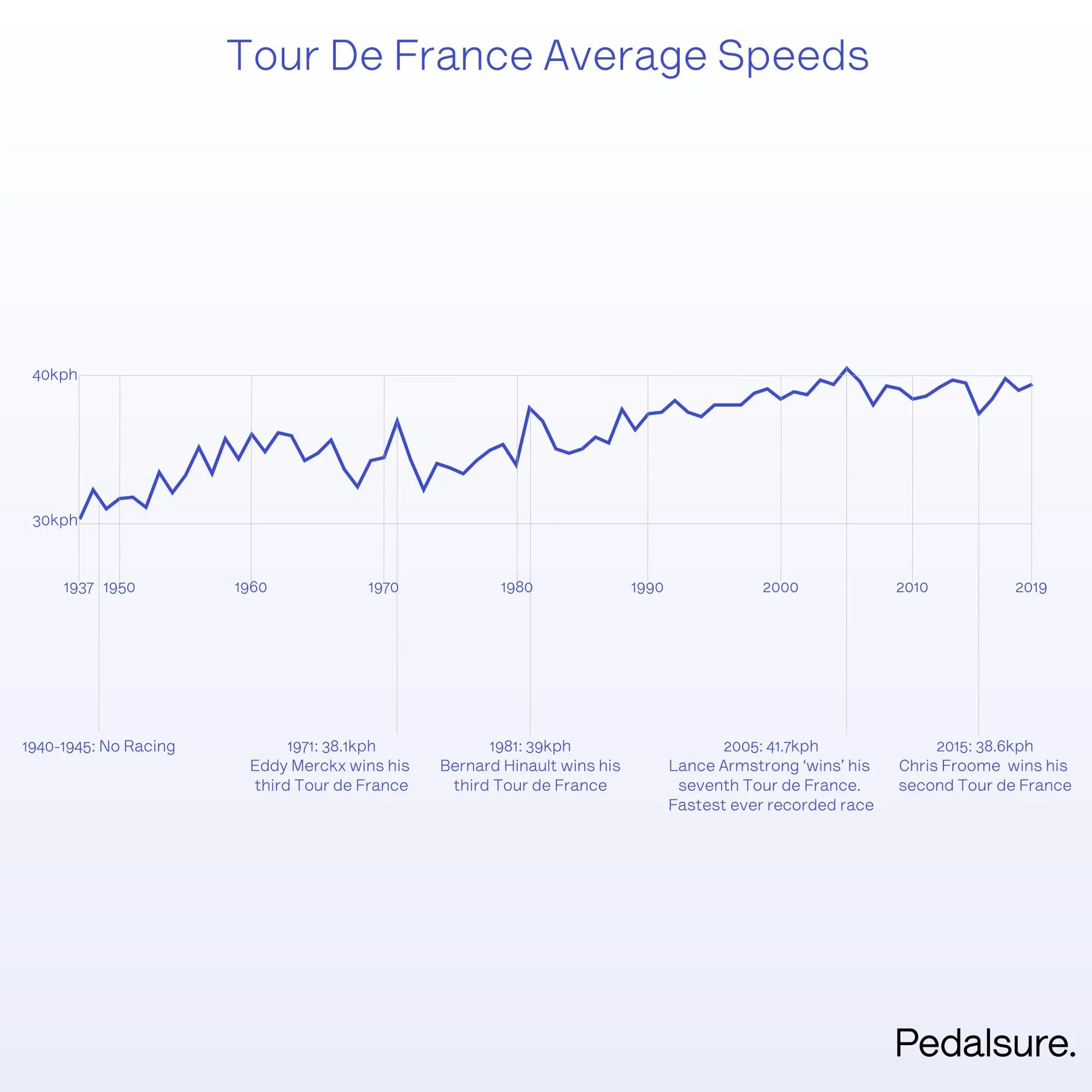
Average speeds at the Tour de France have always been an interesting topic in professional cycling. Here we look at the average speeds during the race’s history. The fastest ever race took place in 2005, at the height of the Lance Armstrong era where the American ‘won’ his seventh overall title. The average speed was a mind boggling 41.7kph over the 3 weeks of racing.

With advances in aerodynamics, weight and technology we can expect the races to be getting faster year after year but there are a few noticeable spikes through the years where the speed has increased significantly.

In 1971 Eddy Merckx won his third Tour de France with an average speed of 38.1kph, taking home the points and combativity jersey at the same time. In 1981, Bernard Hinault also won his third Tour with an average speed of 39kph. Another noticeable year is 2015, where Chris Froome won his second ever Tour de France and the average speed was much lower than the years around it, with a speed of just 38.6kph.

So there you have it. Some facts to digest and share about the biggest races in the cycling calendar.

The Cost Of Commuting By Bike Versus Car- infographics made for Pedalsure.

Below is an interesting article I worked on with Pedalsure talking about the benefits of cycling to work versus driving. I created the infographics, but it’s also a great read so enjoy!

Whether you’re new to it or an old hand, the benefits of cycling to work cannot be overstated, hence why there has been such a boom. It’s not just health benefits either – the main reason for this new crop of riders – there are many economic and environmental benefits to be enjoyed by ditching your petrol guzzling car for a two-wheeled friend. You never know where commuting may take you, in fact in our recent conversation with Chris Hall, we found out that his cycling adventure began when he took up commuting by bike.

But what are the true costs of going to work on a bike versus in a car? The costs of commuting can be measured in a few metrics, but we are going to focus on the economic and environmental costs, physical and mental health, and then look at how riding a bike will influence all these. Bike versus car? We know the answer but here’s the working.

C2W-costs-01--1-.jpg

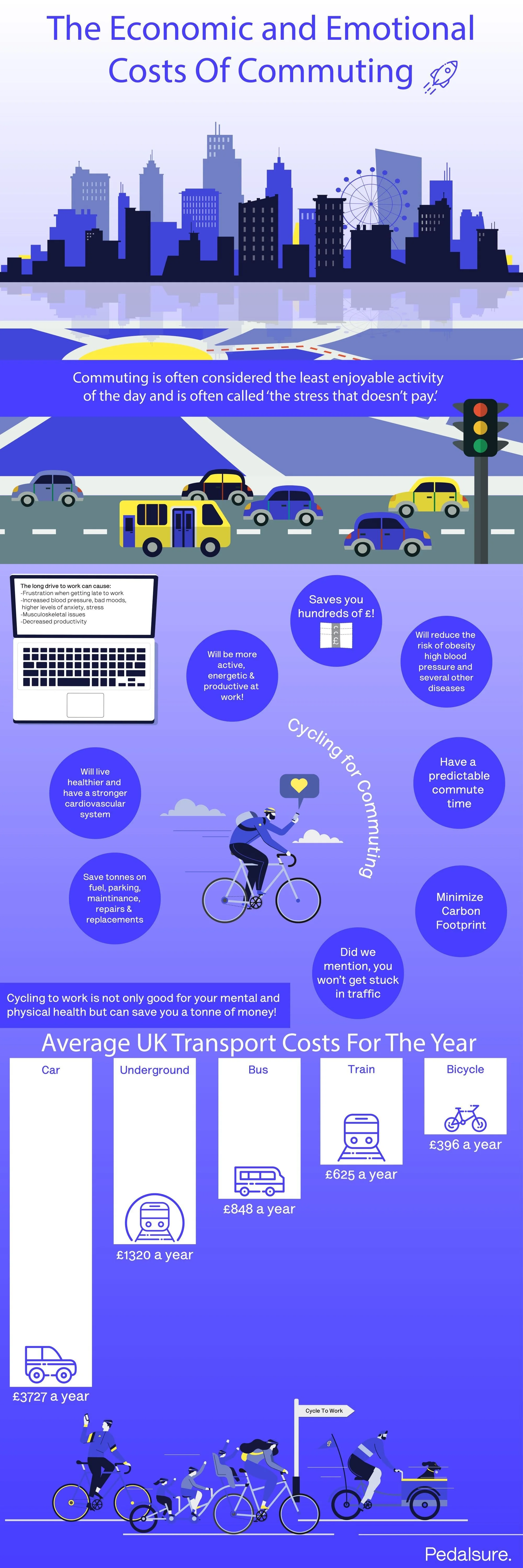
Let’s start at the most obvious cost: money. Petrol prices aren’t getting any cheaper (we know they can fluctuate, don’t @ us), so the likelihood is, over time you are burning an ever-growing hole in your pocket. There is of course an upfront cost to cycle commuting; purchasing a bike (chances are, much less than the cost of a car), getting the gear you need, investing in a lock, taking out insurance, but the short term cost leads to long-term benefits versus the death by a thousand pennies that fuel costs deal to your wallet each year. In fact, whether it’s fuel or season tickets, paying for your commute is one of the biggest expenses we have.

There are many ways of finding out the numbers behind the various types of commuting. Cycle scheme have compiled a neat little resource on how much you can save and the Omni calculator allows you to put in specifics to see how your car and bike match up. New research from OnePoll for Argos found that cycling to work saves commuters nearly £1,400 a year making it the cheapest, most practical way to commute versus driving. Compare that to a 2015 study conducted in Copenhagen, which summarises that it’s six times more expensive for you to drive to work instead of cycling, and the advantage is clear.

display.jpeg

Environmental costs

That leads us nicely on to the environmental costs, which at this point are very well documented. Cars are bad for the environment; it really is a no-brainer. Cars give off CO2 emissions, a rider on a bike doesn’t, therefore more cars equal more emission and the inverse for more cycle commuters. It’s a tale as old as time but some people still need reminding.

The Omni calculator factors these environmental concerns into their calculations and provide you with your emission stats in terms of the equivalent number of trees you would have planted. Interestingly, in that 2015 Danish study mentioned earlier, the researchers also summarised that driving a car to work is six times more expensive to your community because of the associated health issues brought on by air and noise pollution, congestion and climate change. Not only that but another study, conducted by the University of Leeds in 2018, showed that you are at bigger risk from harmful emissions sitting in your car than you are cycling through traffic.

Physical health costs

We are more aware than ever about the long-term risks of air pollution and how continued exposure damages our bodies, leaving us more at more risk to respiratory diseases. Yes, you might feel more relaxed, less sweaty, safer and often much warmer when you drive to work, but these very small yet gratifying benefits are vastly outnumbered when it comes to the long-term costs. These include increased blood pressure and muscle problems from sitting for long periods of time (recurring back pain, nerve and tendon issues) and an overall less health conscious outlook. It’s not just physical health that is impacted either.

Mental health costs

As well as living in a more environmentally conscious society, we also now have a much better understanding of why mental health is at least as important as physical health. There are few things more annoying than sitting in traffic and constantly checking your watch to make sure you’re not late. Bad moods, stress and higher levels of anxiety can all be caused by a stressful commute. That, coupled with the daily grind behind the wheel, can lead to decreased productivity, poor cognitive functioning and depression. All this while you sit there in your metal box, watching cyclist after cyclist pedal happily on by…
Ditch the car, commute by bike

There is an answer to all these issues: commute by bike – the benefits of riding to work are endless. Building on what we’ve covered so far, here are some of the biggest reasons to commute by bike:

· Save thousands of pounds a year on fuel costs, parking and maintenance

· Minimise your carbon footprint

· Bypass traffic and look cool while you’re doing it

· Commuting by bike provides a more predictable journey and adds structure to your day

· A more active brain leads to increased productivity at work

· Live longer with a stronger cardiovascular system

· Protect yourself from respiratory issues by building your fitness

· Join the large and ever-growing cycle-commuter community

The list goes on.

Bike versus car – as we said at the outset, there’s only one winner. Now you are armed with the true costs/lack thereof, you can easily justify why cycling is probably the best way to commute. Start your journey with the proper coverage and join not just the cycle commute community but the Pedalsure community too with comprehensive insurance today. Be sure to tell us why you commute by bike over on out Instagram @ridepedalsure.

Need something to secure your bike? You can now get a free gold rated Hiplok DX D-lock worth £69.99 with any new insurance policy, just one of many ways we protect both you and your bike.

The BEST Gravel Bike Available?

I have been incredibly lucky to ride a fair share of Gravel bikes recently across some of the most insane terrain you could imagine! But, I’ve got to say it, I think I may have found what I perceive to be the BEST yet!

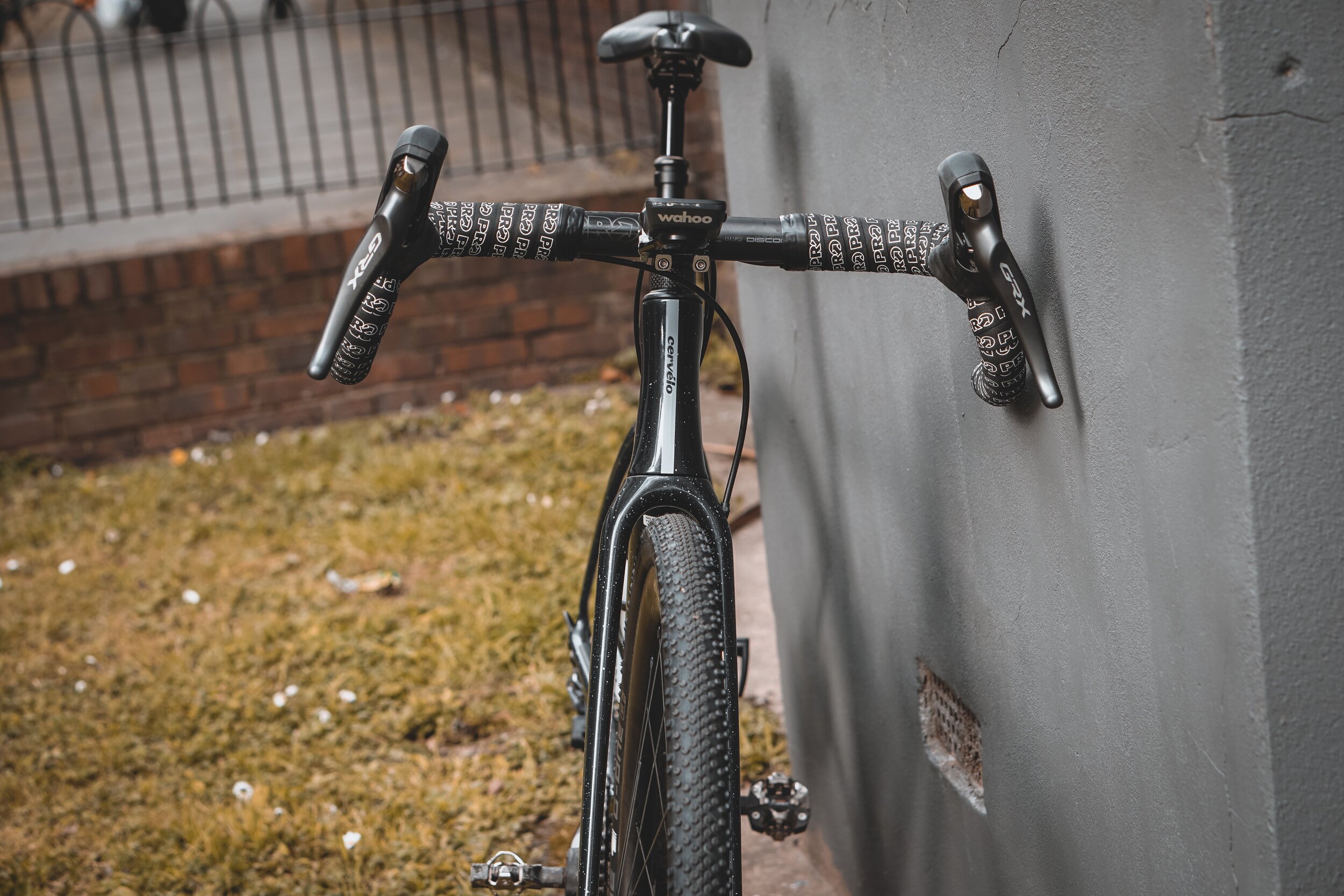
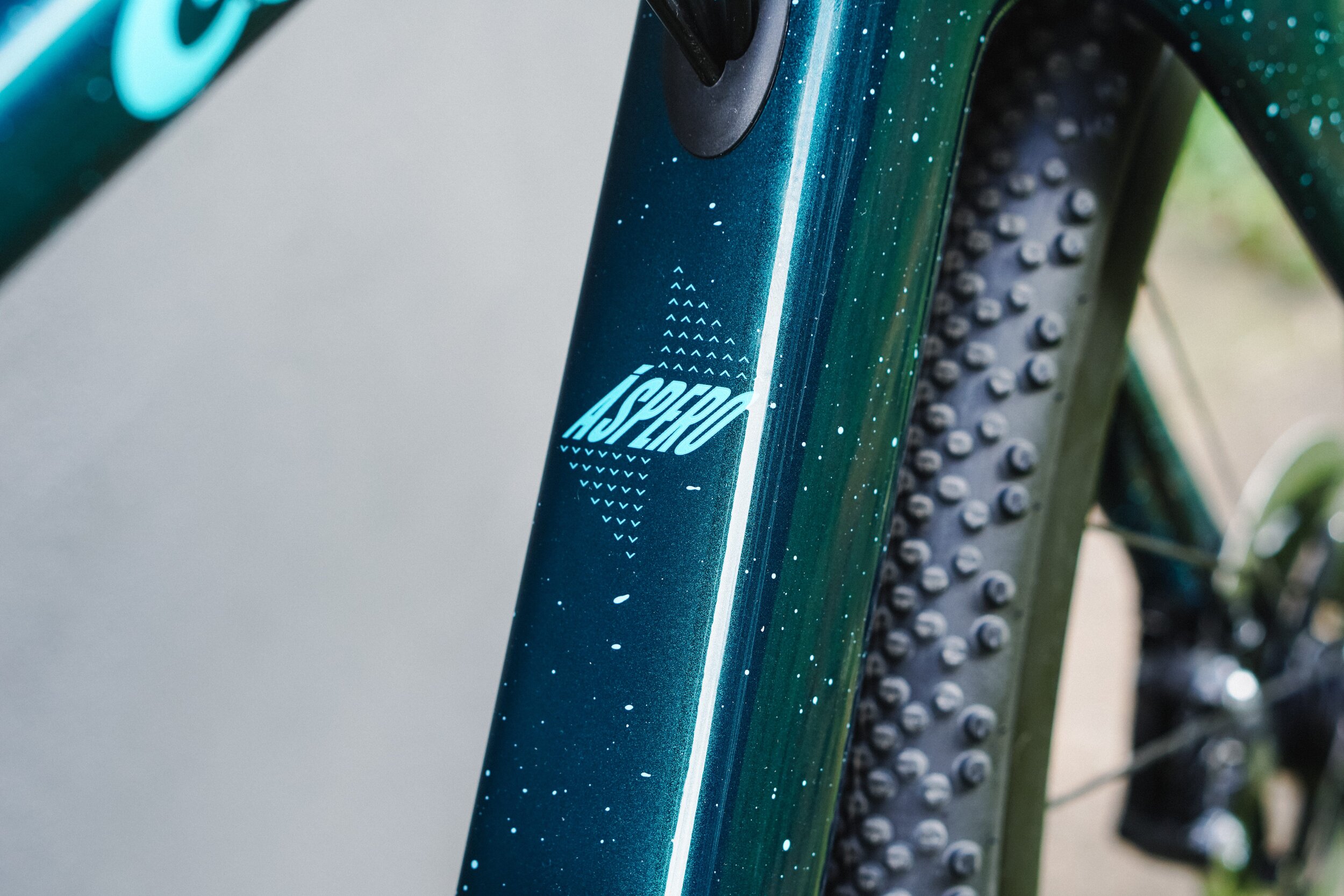
The Cervélo Aspero. Probably the best gravel bike I have ridden

The Cervélo Aspero. Probably the best gravel bike I have ridden

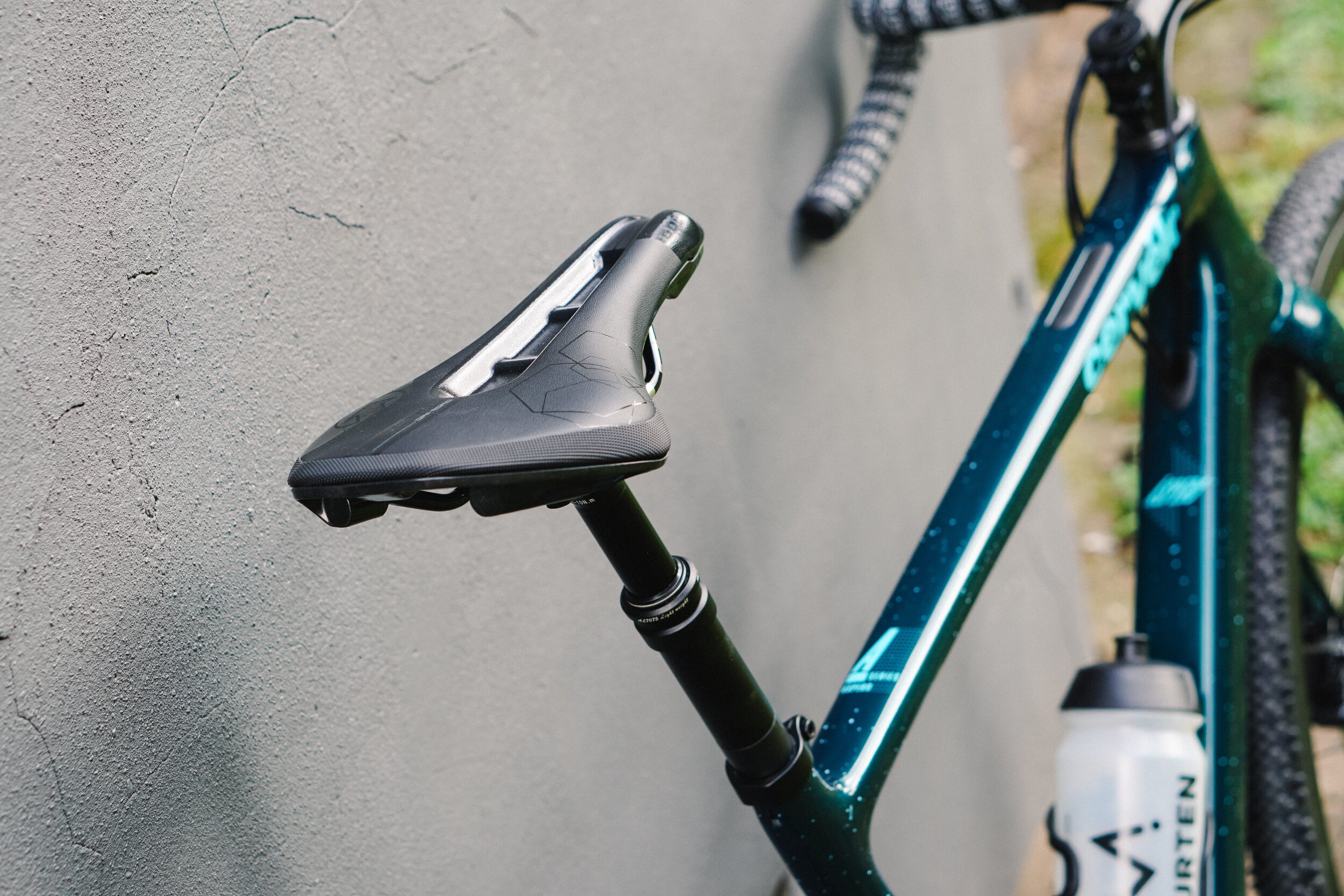
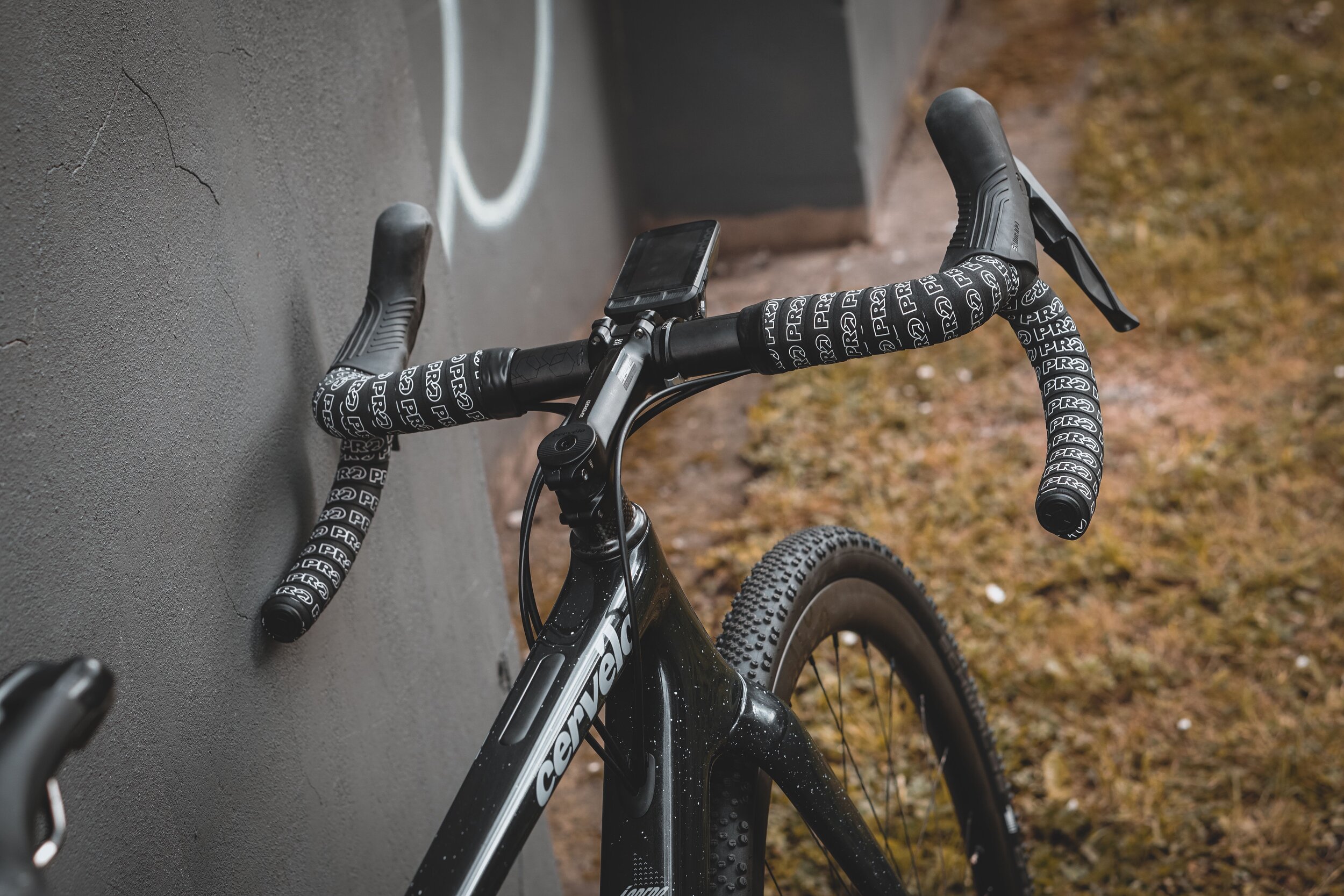
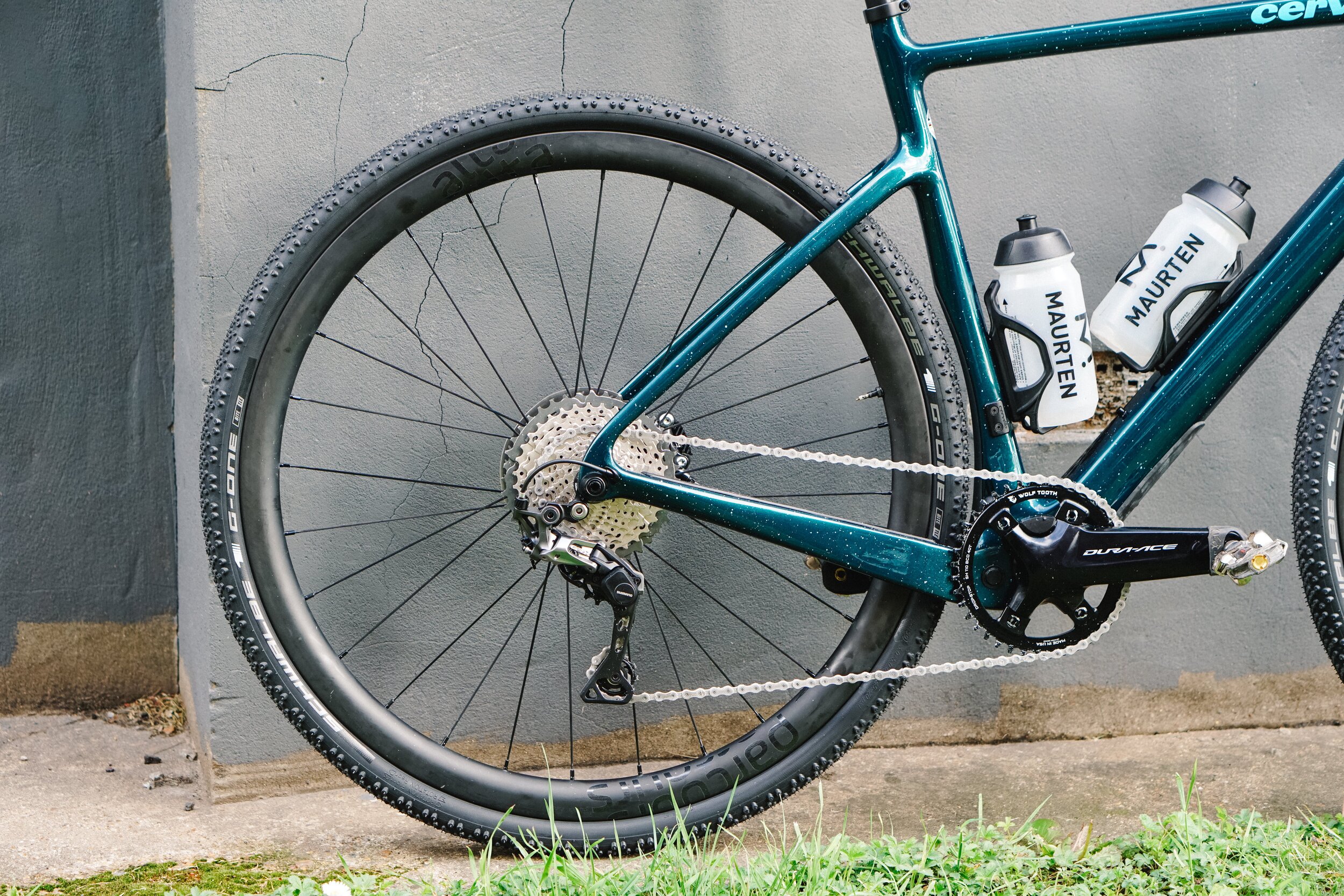
My Cervélo Aspero definitely looks the part. I’ve been greatly impressed with the way it rides and handles. But more than anything the paint job is incredible. Now for a breakdown on the spec:

Cervélo Aspero: Size 54

  • Shimano GRX 1x Groupset

  • Shimano Dura Ace Power Meter

  • Wolf Tooth 40t Chainring

  • PRO Dropper Seatpost

  • PRO Stealth Gravel Edition Saddle

  • PRO Vibe PLT 120mm Stem

  • PRO Gravel Carbon Handlebars

  • PRO Bartape

  • Parcours ALTA Gravel Specific Wheelset with a 11-40t Casette and 160 Dura Ace Rotors

  • Wahoo ELEMNT ROAM for navigation

  • Maurten providing the nutrition

  • Pedalsure covering the insurance.


Some thoughts about the bike.. It is quick, light and nimble. Much more so than any other gravel bike I have ridden and admittedly that may not be for everyone but for me it definitely makes the ride a hell of a lot more fun! I’ve headed out north of London on a few gravel rides on it now and every single time I just end up smiling. If thats not a good sign I’m not sure what else could be?

So. What would I change about this bike? The question I’m sure many people would like to know.. I would change the pedals to some Shimano XTR ones. (I’ve now done this and they are awesome.) I’d also love to set this up with GRX Di2. Fingers crossed that will happen! Otherwise very very little. The stock bike comes with some 650B wheels which I am keen to use on some of those more gnarly roads, but for now lets get out there testing this beast out more on some trails!


The Zero Lemon Podcast

So I have been debating this for a long time and I have bit the bullet and started a podcast. For me, I listen to a lot of podcasts and it’s something I enjoy whilst out cycling in the wild. I’m aiming to bring you stories, information and chats with myself and interesting people I have the pleasure to know. Follow along and subscribe! Enjoy!


Spotify:

Soundcloud: